




 Send Inquiry
Analgesiometer
Price 140 INR/ Unit
Analgesiometer Specification
- Material
- Mild Steel
- Usage
- Hospital
- Product Type
- Analgesiometer
- Color
- Blue
- Voltage
- 220 Volt (v)
- Application
- Pain Sensitivity Measurement in Laboratory Rats/Mice
- Plate Material
- Stainless Steel
- Surface Finish
- Epoxy powder coated
- Operational Temperature Control
- Digital Thermostat
- Safety
- Overload protection, thermal fuse
Analgesiometer Trade Information
- Minimum Order Quantity
- 1 Unit
- Payment Terms
- Cash in Advance (CID), Cash Advance (CA)
- Supply Ability
- 100 Units Per Week
- Delivery Time
- 1 Week
- Sample Available
- Yes
- Sample Policy
- Sample costs shipping and taxes has to be paid by the buyer
- Main Export Market(s)
- Western Europe, Australia, Middle East, South America, Asia, Central America, Eastern Europe, North America, Africa
- Main Domestic Market
- All India
Analgesiometer About
Analgesiometer (Eddy's Hot Plate):-
ZOOM IS A ESTEEMED MANUFACTURER OF ELECTRONIC GOODS . Analgesiometer (Eddy's Hot Plate).
| | Eddy's Hot Plate consisting of 30x30 cms. |
| | Heating surface with perpex enclosure. |
| | Solid state temperature controller |
| | Micro-controller based Digital Temperature Indicator |
| | Digital Temperature Indicator controller to set surface temp |
| | Temperature Between 30 to 80 C |
Precision in Pain Sensitivity Measurement
The Analgesiometer provides accurate and repeatable results for pain threshold studies in small laboratory animals. Its digital thermostat allows precise thermal control, enabling researchers to conduct consistent and reliable experiments. The robust mild steel construction with an epoxy powder-coated surface ensures the instruments longevity and convenience in a laboratory environment.
Safe and Reliable Laboratory Use
Designed with safety as a paramount concern, this device includes overload protection and a thermal fuse. It operates smoothly on 220 volts, which is standard in most hospital and research labs in India. The stainless steel plate facilitates easy cleaning, promoting a hygienic working environment when handling laboratory animals.
FAQs of Analgesiometer:
Q: How is the Analgesiometer used in laboratory experiments?
A: The Analgesiometer is used to measure pain sensitivity or threshold in laboratory rats and mice. Typically, a controlled and measured stimulus, such as heat via the stainless steel plate, is applied to the animals paw or tail. The time taken for the animal to respond (for example, by withdrawing the paw) is recorded, aiding in pain research and analgesic drug testing.Q: What are the main benefits of using this instrument?
A: This Analgesiometer offers precision pain sensitivity measurement, reliability through digital thermostat control, easy maintenance due to its stainless steel plate, and a robust mild steel body with epoxy powder coating for durability. Safety features such as overload protection and a thermal fuse further enhance its utility and reliability in research settings.Q: Where should the Analgesiometer be installed for optimal performance?
A: The Analgesiometer is intended for use in hospital or laboratory research environments, typically placed on a stable laboratory bench near a power supply. The area should be free from vibration and extreme temperature fluctuations to ensure accurate results and safe handling of laboratory animals.Q: What safety measures are incorporated in the Analgesiometer design?
A: Safety is ensured through built-in overload protection and a thermal fuse, which protect both the user and the equipment from electrical faults or overheating. The stainless steel plate is also easy to sterilize, supporting routine hygienic practices.Q: What is the process for measuring pain sensitivity with this device?
A: To measure pain sensitivity, an animal (rat or mouse) is gently placed on the heated stainless steel plate, and the digital thermostat is set to a desired temperature. The researcher records the latency time from the start of exposure to the first pain response (such as paw withdrawal), ensuring repeatability across tests and subjects.Q: When is the Analgesiometer most often used in research?
A: The Analgesiometer is commonly used during preclinical studies to evaluate the effectiveness of analgesic or pain-relief compounds. It is also employed in neurobiological research to study nociceptive pathways in small animals, often at stages when new compounds or interventions need objective pain threshold assessments.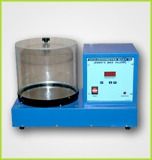

Price:
- 50
- 100
- 200
- 250
- 500
- 1000+

More Products in Scientific Product Category
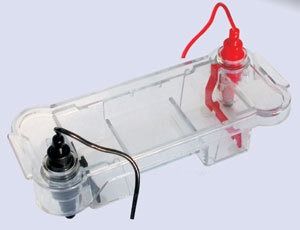
Electrophoresis Horizontal
Price 120 INR / Unit
Minimum Order Quantity : 1 Unit
Material : Acrylic
Color : Transparent
Usage : Laboratory
Product Type : Electrophoresis Horizontal
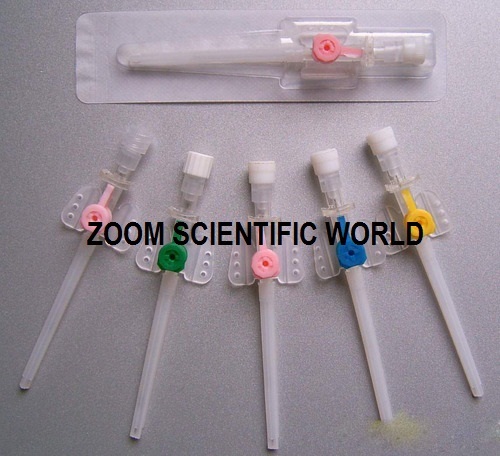
Symes Cannula
Price 100 INR / Piece
Minimum Order Quantity : 1 Piece
Material : Plastic
Color : White
Usage : Clinical
Product Type : Cannula
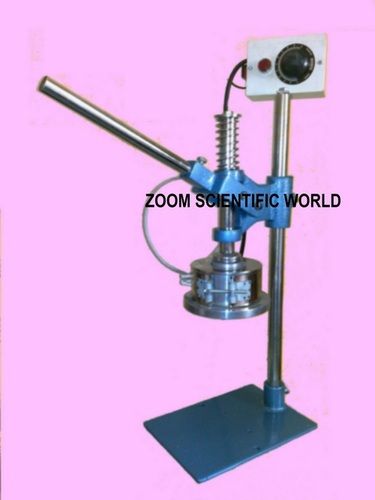
Sealing Machine
Price 128 INR / Unit
Minimum Order Quantity : 1 Unit
Material : Stainless Steel
Color : Silver And Blue
Product Type : Machine
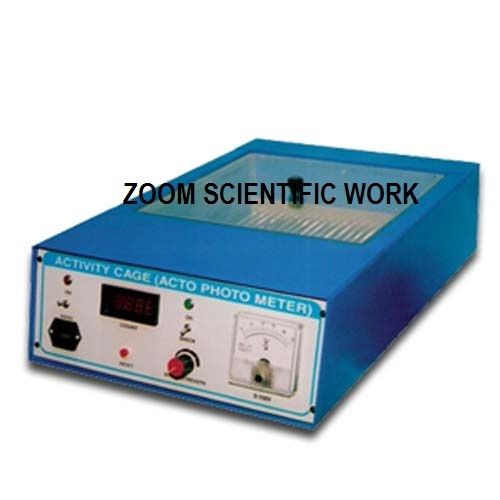
Activity Cage
Price 120 INR / Unit
Minimum Order Quantity : 1 , , Unit
Material : Aluminium Alloy
Color : Sky Blue And White
Usage : Laboratory

GST : 06ALAPA6623N1Z8

- 4537/1 A, Bldg. 13, Deepak Market, Ist Ambala - 133001, Haryana, India
- Phone : 08045478393
- Export Import Code (IEC code) - 3312001811
SSI No. - 060021100476

- Mr Sahil Aggarwal (GENERAL MANAGER)
- Mobile : 08045478393

|



Developed and Managed by Infocom Network Private Limited.
