




 Send Inquiry
Analgesiometer
Price 165 INR/ Unit
Analgesiometer Specification
- Product Type
- Analgesiometer
- Application
- Hosital
- Color
- White And Blue
- Voltage
- 220 Volt (v)
- Material
- Mils Steel
- Heating Time
- < 5 minutes to set temperature
- Surface Material
- Stainless Steel Top Plate
- Safety Feature
- Fused for Overload Protection
- Operating Temperature
- 25C to 40C (recommended room conditions)
Analgesiometer Trade Information
- Minimum Order Quantity
- 1 Unit
- Payment Terms
- Cash in Advance (CID), Cash Advance (CA)
- Supply Ability
- 100 Units Per Week
- Delivery Time
- 1 Week
- Sample Available
- Yes
- Sample Policy
- Sample costs shipping and taxes has to be paid by the buyer
- Main Export Market(s)
- Western Europe, Australia, Eastern Europe, Middle East, South America, Asia, Central America, North America, Africa
- Main Domestic Market
- All India
Analgesiometer About
Analgesiometer (Tail Flick):-
ZOOM IS A ESTEEMED MANUFACTURER OF ELECTRONIC GOODS . ANALGESIOMETER (Tail Flick)
Available in the following models:
- Mark I (Radiant Heat or Tail Flick Type): It provides pain stimulus by heated nichrome wire in a Rat's tail to determine analgesic effect of drugs. Complete with one spare element to work on 220 A.C.
Reliable Pain Measurement Tool
The Analgesiometer offers accurate assessments of pain response in laboratory and clinical environments. Its sturdy construction and stainless steel top plate guarantee longevity and consistent results. Researchers utilize this device to evaluate analgesic agents and understand pain mechanisms under controlled conditions.
Safe and Durable Construction
Built using mils steel and a stainless steel surface, the Analgesiometer ensures stable operation and optimized resistance to wear. The integrated fused overload protection system adds a vital safety layer, making it suitable for routine hospital and research use.
Ideal for Hospital Applications
Specifically designed for hospital settings, the Analgesiometer withstands daily use for pain sensitivity studies. Operating efficiently in recommended ambient temperatures, it supports both patient comfort and investigator needs during pain threshold evaluations.
FAQs of Analgesiometer:
Q: How does the Analgesiometer function in a hospital environment?
A: The Analgesiometer is used in clinical settings to measure pain sensitivity objectively in patients or laboratory animals. It aids physicians and researchers by providing quantitative data for pharmacological and physiological studies related to pain.Q: What safety measures are incorporated into the Analgesiometer?
A: The device features fused overload protection, which prevents electrical hazards, ensuring user and patient safety during operation. This makes it suitable for regular use in hospital and research environments.Q: When is the Analgesiometer typically utilized?
A: This instrument is commonly used during research trials, drug testing, and clinical studies focused on pain assessment, particularly when evaluating the effectiveness of analgesic compounds or understanding pain mechanisms.Q: Where should the Analgesiometer be installed for optimal function?
A: It should be placed in a hospital laboratory or research facility that maintains recommended room temperatures between 25C to 40C. Stable environmental conditions are important for accurate test results.Q: What is the primary benefit of using the Analgesiometer?
A: Its main advantage is accurate, objective assessment of pain sensitivity, which assists clinicians and researchers in evaluating the efficacy of analgesic agents and studying pain thresholds under controlled conditions.Q: What material ensures the Analgesiometers durability for frequent use?
A: The body constructed from mils steel, combined with a stainless steel top plate, assures long-term durability, corrosion resistance, and stable operation even with frequent hospital use.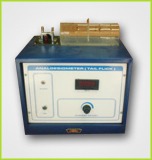

Price:
- 50
- 100
- 200
- 250
- 500
- 1000+

More Products in Scientific Product Category
Microtome
Price 150 INR / Unit
Minimum Order Quantity : 1 Unit
Product Type : Microtome
Color : White
Voltage : 110220 Volt (v)
Material : Stainless steel
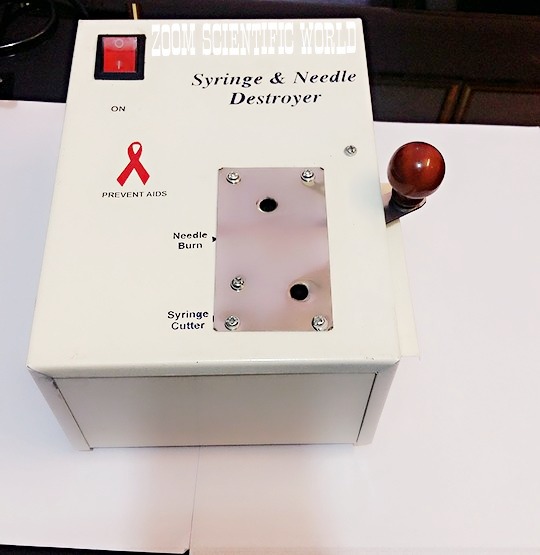
Needle Destroyer
Price 150 INR / Unit
Minimum Order Quantity : 1 Unit
Product Type : Destroyer
Color : White
Voltage : 110220 Volt (v)
Material : Steel
Tincture Press
Price 107 INR / Unit
Minimum Order Quantity : 1 Unit
Product Type : Tincture Press
Color : Silver And Blue
Voltage : 110220 Volt (v)
Material : Stainless Steel
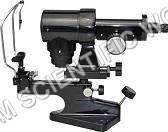
Keratometer
Price 130 INR / Piece
Minimum Order Quantity : 1 Unit
Product Type : Keratometer
Color : Black
Voltage : 100240 Volt (v)

GST : 06ALAPA6623N1Z8

- 4537/1 A, Bldg. 13, Deepak Market, Ist Ambala - 133001, Haryana, India
- Phone : 08045478393
- Export Import Code (IEC code) - 3312001811
SSI No. - 060021100476

- Mr Sahil Aggarwal (GENERAL MANAGER)
- Mobile : 08045478393

|



Developed and Managed by Infocom Network Private Limited.
