




 Send Inquiry
BEAKERS
Price 10 INR/ Piece
BEAKERS Specification
- Color
- Transparent
- Product Type
- Beakers
- Material
- Borosilicate Glass
- Usage
- Chemical Laboratory
- Temperature Range
- 400 Celsius (oC)
- Chemical Compatibility
- Compatible with most laboratory chemicals
- Application
- Mixing, measuring, and heating liquids
- Heat Tolerance
- Thermal shock resistant
- Shape
- Cylindrical with flat bottom
- Glass Type
- ISO/ASTM grade borosilicate
BEAKERS Trade Information
- Minimum Order Quantity
- 1 Piece
- Payment Terms
- Cash in Advance (CID), Cash Advance (CA)
- Supply Ability
- 1000 Pieces Per Week
- Delivery Time
- 1 Week
- Sample Available
- Yes
- Sample Policy
- Sample costs shipping and taxes has to be paid by the buyer
- Main Export Market(s)
- Western Europe, Middle East, Central America, Eastern Europe, South America, Asia, North America, Australia, Africa
- Main Domestic Market
- All India
BEAKERS About
BEAKERS
| Description & Specification: | These Beakers, moulded in Polypropylene, have execellent clarity and very good chemical resistance. These autoclavable Beakers have prominently raised graduations on theouter surface Pouring a solutions becomes very convenient because of its tapered spout. Material: Polypropylene |
Versatile Laboratory Applications
Beakers serve as indispensable tools in chemical laboratories, facilitating mixing, heating, and measuring tasks. Their uniform design and resistance to chemicals make them ideal for diverse applications ranging from educational experiments to advanced industrial research. With borosilicate glass construction, these beakers offer reliability and consistent performance under rigorous laboratory conditions.
High-Quality Borosilicate Glass Construction
Manufactured to ISO/ASTM standards, these beakers are made from borosilicate glass that resists thermal shock and is transparent for clear observation of contents. The material ensures safe, repeated use with varied chemicals, supporting experimental integrity in both routine and advanced laboratory work.
Thermal Shock Resistant up to 400C
These beakers can withstand rapid temperature changes and sustained heating up to 400C, making them appropriate for boiling, sterilization, and high-temperature reactions. This robust thermal performance provides peace of mind, minimizing breakage risk and supporting safe laboratory operations.
FAQs of BEAKERS:
Q: How should beakers made of borosilicate glass be safely used and heated?
A: To safely use and heat borosilicate glass beakers, place them on a heat-resistant surface and avoid rapid, uneven heating. Always use appropriate lab equipment such as hot plates or Bunsen burners, and ensure even temperature distribution to prevent thermal stress.Q: What are the main benefits of using ISO/ASTM grade borosilicate beakers in laboratories?
A: ISO/ASTM grade borosilicate beakers offer high resistance to thermal shock, chemical compatibility with a wide range of reagents, and clear, transparent walls for precise observation. Their robust construction reduces breakage and ensures reliable performance during rigorous laboratory work.Q: When should I use a beaker versus other laboratory glassware like flasks?
A: Beakers are best used for mixing, heating, or measuring liquids that do not require a sealed environment or precise containment. Flasks, on the other hand, are preferred for processes involving mixing through swirling or for reactions that need to be capped or connected to other apparatus.Q: Where can beakers be employed within a laboratory setting?
A: Beakers are versatile and can be used across educational, research, and industrial laboratories for tasks such as preparing solutions, carrying out chemical reactions, heating substances, or as general liquid containers during experiments.Q: What chemicals are compatible with borosilicate glass beakers?
A: Due to their excellent chemical resistance, borosilicate beakers can be safely used with most laboratory chemicals, including acids, bases, and organic solvents, without risk of degradation or contamination.Q: What is the process for cleaning and maintaining laboratory beakers?
A: Beakers should be thoroughly rinsed after each use with laboratory-grade detergent and water, and, if necessary, sterilized using high temperatures. Ensure all chemical residues are removed before storing them in a clean, dry area to preserve longevity and accuracy in future experiments.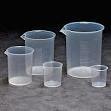

Price:
- 50
- 100
- 200
- 250
- 500
- 1000+

More Products in Lab Plasticware Category
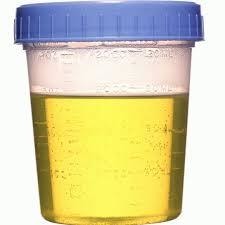
Urine Container
Price 10 INR / Piece
Minimum Order Quantity : 1 Piece
Color : Transparent And Purpal
Usage : Hospital
Product Type : Urine Container
Material : Plastic

CONICAL MEASURES
Price 10 INR / Piece
Minimum Order Quantity : 1 Piece
Color : Transparent
Usage : Chemical Laboratory
Product Type : Conical Measures
Material : Polypropylene
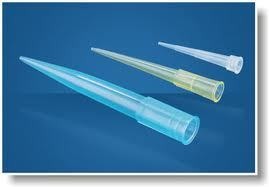
Micro Tips
Price 10 INR / Piece
Minimum Order Quantity : 1 Piece
Color : Sky Blue And Yellow
Usage : Chemical Laboratory
Product Type : Micro Tips
Material : Polypropylene
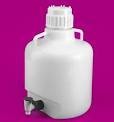
CARBOY WITH STOP COCK
Price 102 INR / Piece
Minimum Order Quantity : 1 Piece
Color : White
Usage : Chemical Laboratory
Product Type : Stop Cock
Material : Polypropylene

GST : 06ALAPA6623N1Z8

- 4537/1 A, Bldg. 13, Deepak Market, Ist Ambala - 133001, Haryana, India
- Phone : 08045478393
- Export Import Code (IEC code) - 3312001811
SSI No. - 060021100476

- Mr Sahil Aggarwal (GENERAL MANAGER)
- Mobile : 08045478393

|



Developed and Managed by Infocom Network Private Limited.
