




 Send Inquiry
Cassia Flask
Price 15 INR/ Piece
Cassia Flask Specification
- Usage
- Chemical Laboratory
- Product Type
- Flask
- Color
- Transparent
- Material
- Glass
- Marking
- White Ceramic
- Compliance
- ISO/ASTM laboratory standards
- Resistant To
- Chemicals and Thermal shock
- Autoclavable
- Yes
Cassia Flask Trade Information
- Minimum Order Quantity
- 1 Piece
- Payment Terms
- Cash in Advance (CID), Cash Advance (CA)
- Supply Ability
- 1000 Pieces Per Week
- Delivery Time
- 1 Week
- Sample Available
- Yes
- Sample Policy
- Sample costs shipping and taxes has to be paid by the buyer
- Main Export Market(s)
- Western Europe, Australia, North America, Eastern Europe, Central America, Middle East, South America, Asia, Africa
- Main Domestic Market
- All India
Cassia Flask About
Cassia Flask:-
Catalogue No. 755 :- Capacity 100 ml. with graduated long neck.
Flask Saponification:-
Catalogue No. 756:- with neck graduated 0 to 100% for determination of olefin plus aromatic content.
Reliable and Durable Laboratory Flask
The Cassia Flask is crafted from premium glass, ensuring both durability and resistance to harsh chemicals and sudden temperature changes. Its compliance with ISO/ASTM standards guarantees reliable performance and consistent quality for professional laboratory use. The transparent construction allows for easy monitoring of contents, while the white ceramic marking area facilitates clear labeling, ensuring efficient workflow and safety in busy labs.
Optimal for Chemical Procedures
Engineered to resist chemical corrosion and withstand thermal shock, the Cassia Flask is a versatile tool for chemical laboratories engaged in various testing and reactions. Its autoclave compatibility ensures that the flask remains sterile and safe for processes that demand high cleanliness, such as microbiological or analytical work. Whether used in academic settings or industrial applications, the flask supports a broad range of experimental needs.
FAQs of Cassia Flask:
Q: How should the Cassia Flask be properly sterilized before use?
A: The Cassia Flask can be sterilized using a laboratory autoclave, as it is designed to be autoclave-compatible. Ensure the flask is thoroughly cleaned before autoclaving to maintain experimental integrity.Q: What type of laboratory processes can the Cassia Flask be used for?
A: The flask is suited for general chemical laboratory applications, such as mixing, heating, or storing chemical solutions. Its chemical and thermal shock resistance makes it suitable for standard and specialized testing procedures.Q: When is it necessary to use a chemically resistant and heat-resistant flask in the lab?
A: Such a flask is required when working with reactive chemicals or conducting experiments involving sudden temperature variations, as it minimizes the risk of glass breakage and chemical contamination.Q: Where is the marking area located on the Cassia Flask?
A: The white ceramic marking area is typically located on the side of the flask, providing a clear and convenient space for labeling and identifying contents.Q: What benefits does glass material offer over plastic alternatives in laboratory use?
A: Glass provides superior chemical resistance, can be autoclaved for sterilization, and does not leach impurities into contents, making it ideal for critical laboratory applications.Q: How can users ensure the longevity of their Cassia Flask?
A: To extend flask life, avoid drastic temperature changes, clean thoroughly after each use, and always handle with care to prevent chips or cracks.

Price:
- 50
- 100
- 200
- 250
- 500
- 1000+

More Products in Lab Glassware Category

Flask Kjeldahl Round Bottom Long Neck
Price 10 INR / Piece
Minimum Order Quantity : 1 Piece
Product Type : Flask Kjeldahl Round Bottom
Material : Glass
Color : Transparent
Usage : Laboratory
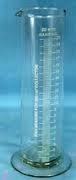
Rain Gauge Cylinder
Price 10 INR / Piece
Minimum Order Quantity : 1 Piece
Product Type : Gauge Cylinder
Material : Glass
Color : Transparent
Usage : Laboratory

Flask Round Bottom Plain
Price 10 INR / Piece
Minimum Order Quantity : 1 Piece
Product Type : Flask Round Bottom
Material : Glass
Color : Transparent
Usage : Laboratory
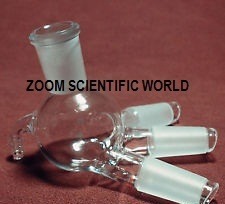
Vacuum Receiver Adapters Totake 3 x 100ml. Flasks
Price 10 INR / Piece
Minimum Order Quantity : 1 Piece
Product Type : Vacuum Receiver Adapters
Material : Glass
Color : Transparent
Usage : Laboratory

GST : 06ALAPA6623N1Z8

- 4537/1 A, Bldg. 13, Deepak Market, Ist Ambala - 133001, Haryana, India
- Phone : 08045478393
- Export Import Code (IEC code) - 3312001811
SSI No. - 060021100476

- Mr Sahil Aggarwal (GENERAL MANAGER)
- Mobile : 08045478393

|



Developed and Managed by Infocom Network Private Limited.
