




 Send Inquiry
Centrifuge Tube Conical Bottom
Price 18 INR/ Piece
Centrifuge Tube Conical Bottom Specification
- Usage
- Chemical Laboratory
- Product Type
- Tube Conical Bottom
- Color
- Transparent
- Material
- Glass And Plastic
- Chemical Resistance
- High resistance to acids, alkalis, and solvents
- Length
- Varies (approx. 120 mm for 15 mL, 115 mm for 50 mL tubes)
- Cap Type
- Screw Cap (Leak Proof)
- Autoclavable
- Yes
- Tube Diameter
- Varies (approx. 17 mm for 15 mL, 30 mm for 50 mL tubes)
- Maximum RCF (Relative Centrifugal Force)
- 12,000 g to 16,000 g (varies by tube size and material)
Centrifuge Tube Conical Bottom Trade Information
- Minimum Order Quantity
- 1 Piece
- Payment Terms
- Cash in Advance (CID), Cash Advance (CA)
- Supply Ability
- 1000 Pieces Per Week
- Delivery Time
- 1 Week
- Sample Available
- Yes
- Sample Policy
- Sample costs shipping and taxes has to be paid by the buyer
- Main Export Market(s)
- Australia, South America, Middle East, Central America, Western Europe, Asia, Eastern Europe, North America, Africa
- Main Domestic Market
- All India
Centrifuge Tube Conical Bottom About
Centrifuge Tube Conical Bottom:- plain
Catalogue No. Capacity ml. Ht. x O.D. mm.
762/01 3 76 x 10
762/02 5 100 x 13
762/03 10 110 x 15
762/04 12 110 x 16
762/05 15 120 x 17
762/06 25 125 x 22
762/07 50 125 x 28
Centrifuge Tube Conical Bottom:- graduated
Catalogue No. Capacity ml. Ht. x O.D. mm
763/01 5 100 x 13
763/02 10 110 x 15
763/03 15 120 x 17
763/04 25 125 x 22
763/05 50 125 x 28
Centrifuge Tube Conical Bottom:- with screw cap plain
Catalogue No. Capacity ml. Ht. x O.D. mm
764/01 10 110 x 15
764/02 15 120 x 17
Centrifuge Tube Conical Bottom:- with screw cap graduated
Catalogue No. Capacity ml. Ht. x O.D. mm
765/01 10 110 x 15
765/02 15 110 x 17
Centrifuge Tube Conical Bottom:- with interchangeable stopper plain
Catalogue No. Capacity ml. Ht. x O.D. mm
766/01 10 110 x 15
766/02 12 110 x 16
766/03 15 120 x 17
766/04 25 125 x 22
766/05 50 125 x 28
Centrifuge Tube Conical Bottom:- with interchangeable stopper graduated
Catalogue No. Capacity ml. Ht. x O.D. mm
767/01 10 110 x 15
767/02 15 120 x 17
767/03 25 125 x 22
767/04 50 125 x 28
Secure and Efficient Design
These centrifuge tubes feature a conical bottom that facilitates effective sediment separation during spinning. The secure screw cap ensures leak-proof performance, enhancing safety and minimizing contamination risks during sample handling and transfer.
Material and Chemical Resistance
Constructed from premium glass and plastic materials, the tubes are engineered to withstand aggressive acids, alkalis, and solvents used in laboratory protocols. Their chemical resistance safeguards sample integrity, even during prolonged or high-speed centrifugation cycles.
Flexible Laboratory Applications
Designed to accommodate standard volumes (15 mL or 50 mL), these centrifuge tubes are versatile tools in chemical laboratories, supporting applications in research, diagnostics, biochemistry, and more. Their dimensional compatibility suits most common centrifuge rotors.
FAQs of Centrifuge Tube Conical Bottom:
Q: How should I use the conical bottom centrifuge tube for sample preparation?
A: To use, pipette your sample into the tube, ensuring it is securely capped. The conical bottom design aids in collecting sediments during centrifugation, making pellet retrieval straightforward. Ensure the tube is placed in a balanced arrangement within the centrifuge rotor to avoid imbalance and potential breakage.Q: What are the benefits of the screw cap and leak-proof design?
A: The screw cap ensures a completely leak-proof seal, preventing spills and evaporation, even at high centrifugal forces. This maximizes safety, minimizes sample loss or contamination, and enables reliable sample storage during and after centrifugation.Q: When can I autoclave these centrifuge tubes?
A: These tubes are fully autoclavable, meaning you can sterilize them using standard autoclaving procedures before or after use as needed. This is particularly important in microbiological or clinical laboratory settings to ensure sample sterility.Q: Where are these tubes most commonly used in laboratory processes?
A: These centrifuge tubes are extensively used in chemical laboratories, research facilities, and clinical diagnostics for tasks such as mixing, sample separation, pelleting cells, precipitating proteins, and storing sensitive reagents.Q: What is the maximum RCF these tubes can tolerate?
A: Depending on the tube size and material, the maximum relative centrifugal force (RCF) ranges from 12,000 g for glass or smaller tubes up to 16,000 g for plastic or larger-capacity versions. Always check tube labeling and manufacturer instructions for the exact rating.Q: How do the glass and plastic materials improve chemical compatibility?
A: Both glass and high-grade plastic materials used in these tubes possess high resistance to a wide range of laboratory chemicals, including strong acids, bases, and organic solvents. This prevents tube degradation, sample contamination, and ensures reliability over repeated uses.

Price:
- 50
- 100
- 200
- 250
- 500
- 1000+

More Products in Lab Glassware Category
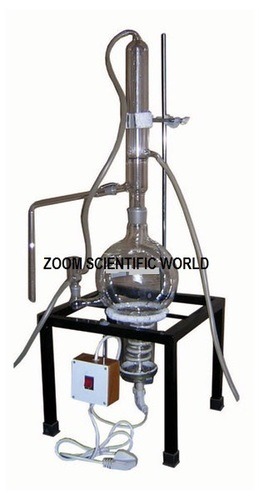
Automatic Electrically Heated All Glass Distillation Apparatus
Price 8850.0 INR / Piece
Minimum Order Quantity : 1 Piece
Color : Transparent
Usage : Chemical Laboratory
Material : Glass
Product Type : Glass Distillation Apparatus
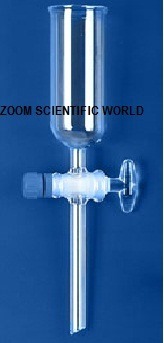
Dropping Funnels Cylindrical,Open Stopcock Stem With Cone
Price 12 INR / Piece
Minimum Order Quantity : 1 , , Piece
Color : Transparent
Usage : Chemical Laboratory
Material : Glass
Product Type : Dropping Funnels

Centrifuge Tube Round Bottom Graduated
Price 19 INR / Piece
Minimum Order Quantity : 1 Piece
Color : Transparent
Usage : Chemical Laboratory
Material : Glass
Product Type : Centrifuge Tube
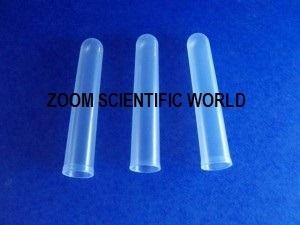
Test Tubes
Price 14 INR / Piece
Minimum Order Quantity : 1 Piece
Color : Transparent
Usage : Chemical Laboratory
Material : Glass
Product Type : Test Tubes

GST : 06ALAPA6623N1Z8

- 4537/1 A, Bldg. 13, Deepak Market, Ist Ambala - 133001, Haryana, India
- Phone : 08045478393
- Export Import Code (IEC code) - 3312001811
SSI No. - 060021100476

- Mr Sahil Aggarwal (GENERAL MANAGER)
- Mobile : 08045478393

|



Developed and Managed by Infocom Network Private Limited.
