




 Send Inquiry
Chromatographic Columns
Price 17 INR/ Piece
Chromatographic Columns Specification
- Usage
- Chemical Laboratory
- Product Type
- Chromatographic Columns
- Color
- Transparent
- Material
- Glass
- Column Diameter
- Typically 0.5-5 cm
- Pressure Rating
- Up to 5 bar (varies by model)
- Cleaning Method
- Autoclavable or manual wash
- Joint Type
- Ground Glass Joint
- Column Length
- Commonly 10-100 cm
- Connectors
- Luer lock or screw thread
- End Fittings Material
- PTFE or Stainless Steel
Chromatographic Columns Trade Information
- Minimum Order Quantity
- 1 Piece
- Payment Terms
- Cash in Advance (CID), Cash Advance (CA)
- Supply Ability
- 1000 Pieces Per Week
- Delivery Time
- 1 Week
- Sample Available
- Yes
- Sample Policy
- Sample costs shipping and taxes has to be paid by the buyer
- Main Export Market(s)
- Western Europe, Asia, Australia, Eastern Europe, Middle East, Central America, South America, North America, Africa
- Main Domestic Market
- All India
Chromatographic Columns About
Chromatographic Columns:-with integral sintered disc but without stopcock.
Catalogue No. Effective Length cm. Disc Dia mm.
814/01 15 10
814/02 20 15
814/03 30 20
814/04 40 20
814/05 40 30
814/06 50 30
814/07 50 40
814/08 60 40
814/09 75 40
814/10 100 40
Chromatographic Columns:-with integral sintered disc and stopcock.
Catalogue No. Effective Length cm. Disc Dia mm.
815/01 15 10
815/02 20 15
815/03 30 20
815/04 40 20
815/05 40 30
815/06 50 30
815/07 50 40
815/08 60 40
815/09 75 40
815/10 100 40
Chromatographic Columns:-with integral sintered disc and screw type PTFE key rotaflow stopcock.
Catalogue No. Effective Length cm. Disc Dia mm.
816/01 15 10
816/02 20 15
816/03 30 20
816/04 40 20
816/05 40 30
816/06 50 30
816/07 50 40
816/08 60 40
816/09 75 40
816/10 100 40
Chromatographic Columns:-with integral sintered disc and PTFE key stopcock. (All Ptfe Plug)
Catalogue No. Effective Length cm. Disc Dia mm.
817/01 15 10
817/02 20 15
817/03 30 20
817/04 40 20
817/05 40 30
817/06 50 30
817/07 50 40
817/08 60 40
Chromatographic Columns:-with integral sintered disc, cone and socket
Catalogue No. Bore mm. Eff. Length mm. Socket Size Cone Size
818/01 10 100 B 14 B 19
818/02 10 200 B 14 B 19
818/03 10 300 B 14 B 19
818/04 18 200 B 14 B 19
818/05 18 300 B 14 B 19
818/06 18 300 B 24 B 19
818/07 18 400 B 24 B 19
818/08 18 400 B 24 B 24
Chromatographic Columns:-with integral sintered disc, cone, socket and stopcock
Catalogue No. Bore mm. Eff. Length mm. Socket Size Cone Size
819/01 10 100 B 14 B 19
819/02 10 200 B 14 B 19
819/03 10 300 B 14 B 19
819/04 18 200 B 14 B 19
819/05 18 300 B 14 B 19
819/06 18 300 B 24 B 19
819/07 18 400 B 24 B 19
819/08 18 400 B 24 B 24
Precision in Laboratory Separations
Chromatographic columns provide reliable and accurate separation of chemical mixtures, making them indispensable in modern chemical laboratories. Constructed from durable glass with robust fittings, they ensure clarity and resistance to most solvents. Their standard diameters and customizable lengths offer versatility for various scales of work, from analytical to preparative processes. With high-transparency materials and pressure resistance, these columns support precise operation and consistently reproducible results.
Robust Design and Compatibility
Built to last, chromatographic columns feature PTFE or stainless steel end fittings, allowing compatibility with a range of laboratory setups. The common use of ground glass joints and industry-standard Luer lock or screw thread connections means easy integration with laboratory systems and secure sealing. These design elements help laboratories achieve efficient workflows and minimize the risk of leaks or contamination during sensitive analytical procedures.
FAQs of Chromatographic Columns:
Q: How do I properly clean a chromatographic column?
A: Chromatographic columns can be manually washed or, where compatible, autoclaved for thorough sterilization. Always follow the recommended cleaning procedure based on the substance previously used and the durability of your specific column.Q: What are the typical applications of glass chromatographic columns?
A: These columns are widely used for chemical separations in research, quality control, and preparative chemistry. They help isolate compounds, purify mixtures, and analyze reaction products in academic, industrial, and pharmaceutical labs.Q: When should I use a ground glass joint for a chromatographic column?
A: Ground glass joints are standard for ensuring airtight connections between the column and other laboratory apparatus. Use them whenever precise, leak-free operation and easy assembly or disassembly are required.Q: Where can chromatographic columns be installed in a laboratory setup?
A: These columns can be integrated into fume hoods, benchtop setups, or automated chromatography systems, depending on the experiment scale and required safety measures.Q: What is the process for assembling and connecting a chromatographic column?
A: Start by selecting appropriate fittingsPTFE or stainless steeland connect using the suitable joint (ground glass or screw thread/Luer lock). Secure all seals before gradually introducing your sample and eluent.Q: How does the pressure rating of the column affect its usage?
A: Columns rated up to 5 bar allow safe use with moderate pressurized flows. Exceeding recommended pressure can cause leaks or damage. Always verify your systems parameters before operation.Q: What benefits do glass chromatographic columns offer over plastic alternatives?
A: Glass columns provide high transparency for easy monitoring, resist a wide range of chemicals, and can withstand higher temperatures and pressures, enabling more rigorous separations and long-term use.

Price:
- 50
- 100
- 200
- 250
- 500
- 1000+

More Products in Lab Glassware Category
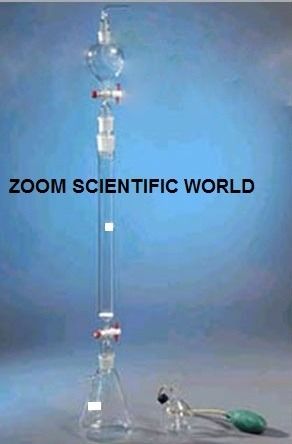
Chromatography Apparatus Semi Micro
Price 18 INR / Piece
Minimum Order Quantity : 1 Piece
Usage : Chemical Laboratory
Color : Transparent
Material : Glass
Product Type : Apparatus
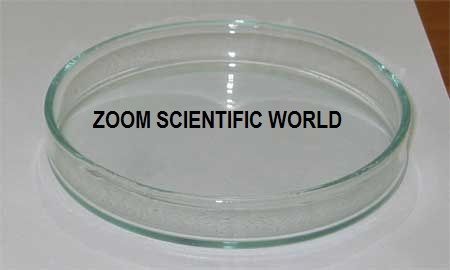
Petri Dish
Price 30 INR / Piece
Minimum Order Quantity : 1 Piece
Usage : Chemical Laboratory
Color : Transparent
Material : Glass
Product Type : Petri Dish
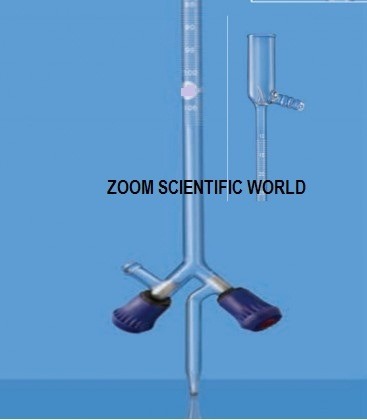
Burettes Double Oblique Bore With Screw Rotaflow Stopcock With PTFE Key
Price 14 INR / Piece
Minimum Order Quantity : 1 Piece
Usage : Chemical Laboratory
Color : Transparent
Material : Glass
Product Type : Stopcock With PTFE Key
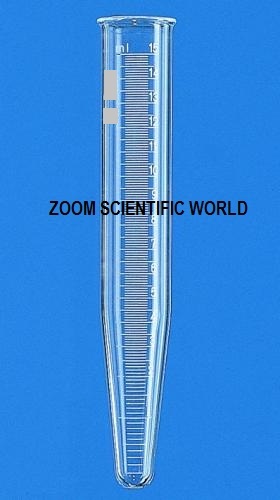
Centrifuge Tube Graduated
Price 10 INR / Piece
Minimum Order Quantity : 1 , , Piece
Usage : Chemical Laboratory
Color : Transparent
Material : Borosilicate Glass
Product Type : Centrifuge Tube Graduated

GST : 06ALAPA6623N1Z8

- 4537/1 A, Bldg. 13, Deepak Market, Ist Ambala - 133001, Haryana, India
- Phone : 08045478393
- Export Import Code (IEC code) - 3312001811
SSI No. - 060021100476

- Mr Sahil Aggarwal (GENERAL MANAGER)
- Mobile : 08045478393

|



Developed and Managed by Infocom Network Private Limited.
