




 Send Inquiry
Dissecting Tray without wax Stainless Steel
Price 280 INR/ Piece
Dissecting Tray without wax Stainless Steel Specification
- Usage
- Hospital, Laboratory
- Size
- 20 x 15 - 25 x 20
- Product Type
- Dissecting Tray
- Color
- Silver
- Material
- Stainless Steel
Dissecting Tray without wax Stainless Steel Trade Information
- Minimum Order Quantity
- 1 Piece
- Payment Terms
- Cash in Advance (CID), Cash Advance (CA)
- Supply Ability
- 1000 Pieces Per Week
- Delivery Time
- 1 Week
- Sample Available
- Yes
- Sample Policy
- Sample costs shipping and taxes has to be paid by the buyer
- Main Export Market(s)
- Australia, Eastern Europe, Western Europe, Middle East, Africa, Central America, South America, Asia, North America
- Main Domestic Market
- All India
Dissecting Tray without wax Stainless Steel About
This stainless steel dissecting tray is available in a variety of sizes to suit your needs. The tray is lightweight and easy to transport, making it ideal for field trips or laboratory classes. It is also rust and corrosion resistant, ensuring its longevity. This tray is perfect for any medical or educational setting and is an essential tool for any student, teacher, or professional.
Frequently Asked Questions
1. What are the dimensions of a Dissecting Tray without wax Stainless Steel?
Answer: The dimensions of a Dissecting Tray without wax Stainless Steel are usually 16 inches in length, 9.5 inches in width, and 1.25 inches in depth.
2. What are the benefits of using a Dissecting Tray without wax Stainless Steel?
Answer: The benefits of using a Dissecting Tray without wax Stainless Steel include the strong and durable material, which prevents rust and corrosion, and the ability to easily clean and disinfect the tray without waxing or oiling.
3. Is a Dissecting Tray without wax Stainless Steel safe to use?
Answer: Yes, a Dissecting Tray without wax Stainless Steel is safe to use. The material is non-porous and non-toxic, which makes it ideal for use in medical, educational, and scientific settings.
4. How do I clean a Dissecting Tray without wax Stainless Steel?
Answer: To clean a Dissecting Tray without wax Stainless Steel, simply use a mild detergent and warm water. Wipe away any debris and rinse the tray thoroughly before use.
5. What are the different sizes available for a Dissecting Tray without wax Stainless Steel?
Answer: Dissecting Trays without wax Stainless Steel are usually available in 16-inch, 18-inch, 20-inch, and 24-inch sizes.
Durable Stainless Steel Construction
Manufactured from premium stainless steel, this dissecting tray promises longevity and resistance to corrosion. Its sturdy build ensures it can withstand the demands of regular hospital and laboratory dissection work, making it a reliable investment for institutions and professionals.
Versatile Size Range for Multiple Applications
With available dimensions between 20 x 15 cm and 25 x 20 cm, the tray can accommodate various specimen sizes and procedures. Whether for small tissue studies or larger anatomical dissections, users will find the right fit for their needs with this versatile range.
FAQs of Dissecting Tray without wax Stainless Steel:
Q: How is the Dissecting Tray without wax used in laboratory and hospital settings?
A: The Dissecting Tray is primarily utilized to securely hold specimens during anatomical or pathological examination. It provides a stable, hygienic surface for efficient dissection procedures, commonly found in hospitals and laboratories for educational and diagnostic purposes.Q: What are the benefits of using a stainless steel, wax-free dissecting tray?
A: Stainless steel ensures durability, corrosion resistance, and ease of sterilization. The absence of wax makes the tray easy to clean and reusable, eliminating material residue and ensuring a sterile environment for each use.Q: When should I choose a silver-colored dissecting tray over other materials or coatings?
A: Choose this silver stainless steel tray when you require a non-porous, rust-resistant surface that will not react with chemicals or biological materials, making it ideal for clinical and research environments.Q: Where are these dissecting trays manufactured and exported from?
A: These trays are manufactured and exported from India, a hub for quality medical and laboratory equipment. Indian suppliers cater to a global market, including exporters, manufacturers, suppliers, traders, and wholesalers.Q: Can you explain the process of cleaning and maintaining the stainless steel dissecting tray?
A: After use, the tray should be rinsed with warm water to remove biological debris, then scrubbed with a non-abrasive detergent. It should be thoroughly dried and, if necessary, autoclaved or disinfected to maintain cleanliness and prevent contamination.Q: What is the typical usage of these trays in an educational or hospital laboratory?
A: In educational and hospital labs, these trays facilitate anatomical dissections, specimen examinations, and surgical training. They provide a reliable, reusable surface for safe and precise dissection work.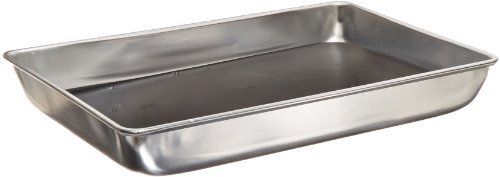

Price:
- 50
- 100
- 200
- 250
- 500
- 1000+

More Products in Biology Lab Equipment Category
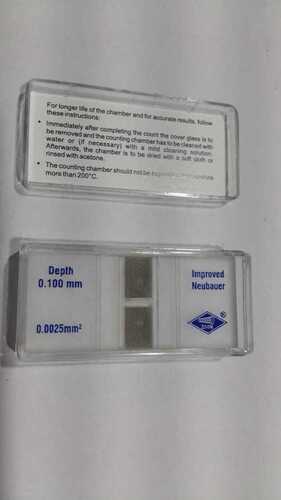
Neubauer Counting Chamber
Price 550 INR / Piece
Minimum Order Quantity : 1 Piece
Color : Transparent
Usage : Industrial
Material : Plastic
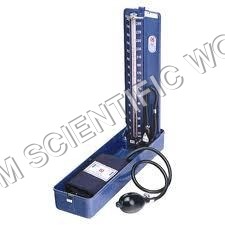
Sphygmomanometer
Price 350 INR / Piece
Minimum Order Quantity : 1 Piece
Color : Purpal And Black
Usage : Hospital
Product Type : Sphygmomanometer
Material : PVC Bulb or Latex Bulb
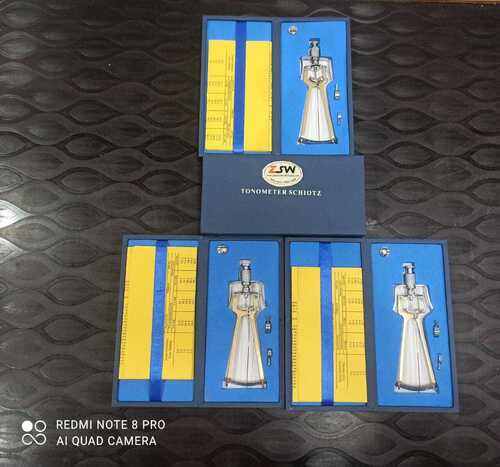
Schiotz Tonometer Riester
Price 6500 INR / Unit
Minimum Order Quantity : 1 Unit
Usage : Industrial
Product Type : Schiotz Tonometer
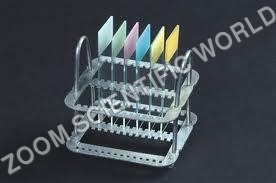
Staining Rack
Price 185 INR / Piece
Minimum Order Quantity : 1 Piece
Color : Transparent
Usage : Chemical Laboratory
Product Type : Rack
Material : Borosilicate

GST : 06ALAPA6623N1Z8

- 4537/1 A, Bldg. 13, Deepak Market, Ist Ambala - 133001, Haryana, India
- Phone : 08045478393
- Export Import Code (IEC code) - 3312001811
SSI No. - 060021100476

- Mr Sahil Aggarwal (GENERAL MANAGER)
- Mobile : 08045478393

|



Developed and Managed by Infocom Network Private Limited.
