




 Send Inquiry
Electronic Instruments
Price 1950.0 INR/ Unit
Electronic Instruments Specification
- Display Type
- Digital
- Control Type
- Digital
- Accuracy
- High
- Power Supply
- AC
- Shape
- Rectangular
- Temperature Resistance
- Up to 300°C
- Heating Capacity
- Adjustable
- Speed Range
- Controlled
- Features
- Durable, Corrosion Resistant, Portable
- Usage
- Laboratory
- Type
- Electronic Instruments
- Dimension (L*W*H)
- Standard
- Product Type
- Instruments
- Equipment Type
- Electronic Lab Instrument
- Color
- Red And WhiteAnd Blue
- Equipment Materials
- Stainless Steel
- Power
- 220-240V AC
- Voltage
- 230 Volt (v)
- Material
- Stainless Steel
- Application
- Laboratory
- Capacity (Ltr)
- Variable
Electronic Instruments Trade Information
- Minimum Order Quantity
- 1 Unit
- Payment Terms
- Cash in Advance (CID), Cash Advance (CA)
- Supply Ability
- 100 Units Per Week
- Delivery Time
- 1 Week
- Sample Available
- Yes
- Sample Policy
- Sample costs shipping and taxes has to be paid by the buyer
- Main Export Market(s)
- Central America, Eastern Europe, Middle East, South America, Western Europe, Asia, North America, Australia, Africa
- Main Domestic Market
- All India
Electronic Instruments About
Electronic Instruments
We offer our customers a wide range of electronic instruments under the name PN Junction/Zener Diode. These are made available in both standard & customized specifications. Some of the features of these process and testing equipment used include:
Other Products
- 8085 Microprocessor Trainer
- AC moving coil meters
- AC/DC Power Supply 0-50V/4Amp
- Application of Operational Amplifier
- Auto Karl Fischer Titrimeter
- Ballistic Galvanometer
- Basic Logic Gate using discrete components (7 in 1)
- Battery Eliminator
- Black & White Television Demonstrator with 14" CRT
- Bridges
- Colour Television Demonstration with 20" CRT
- Conductivity Meters Microprocessor Based
- CRO Demonstrator 20 Mhz
- Digital Colony Counter
- Digital Dissolved Oxygen Meters
- Digital Filter Photo Calorimeter
- Digital Flame Photometer
- Digital HB Meter
- Digital pH meters
- Digital Spectrophotometer
- e/m by Thomson Method (Bar Magnet Method)
- FET Characteristics apparatus
| Equipment | Power Rating |
Sodium Lamp Transformer | 35 Watt |
Power Supply AC/DC | 2-12V/2Amp |
Characteristics Apparatus (Forward & Reverse V-l Characteristics):
Objective: To study forward & reverse characteristics of PN Junction Diode and Zener Diode.
Features:
Instrument comprises of
- Two DC power supplies
- Two round meters to measure voltage & current
- 1 PN Junction Diode
- 1 Zener Diode mounted behind panel with option of connections brought out at terminal /sockets
These also come with digital panel meters that provides in them optimum functionality.
BH Curve Apparatus:
Objective: To trace Hysteresis curves on CRO using Capacitance, Resistance & Inductance
Features:
- Instrument comprises of AC Power Supply 3-15 VAC
- Output selectable using band switch
- Printed circuit diagram for BH curve
- Components connected behind the front panel
- Provision for connecting external inductance
- Input & output connections brought out at sockets
Resistance in Series & Parallel Apparatus:
Objective: To verify properties of resistances when connected in series & parallel.
Precision Crafted for Laboratory Excellence
Designed to meet the demanding needs of modern laboratories, these electronic instruments combine high accuracy and adjustable control within a durable stainless steel frame. The digital interface ensures precise operation every time, while adaptable features accommodate a range of laboratory applications, from research to routine analysis.
Built to Last and Perform
Rely on a combination of stainless steel durability and advanced digital technology. Resistant to corrosion, these instruments withstand rigorous environments and maintain high performance under extended use. With a variable capacity and controlled speed range, they seamlessly adapt to evolving laboratory demands.
FAQs of Electronic Instruments:
Q: How do you operate the electronic laboratory instruments safely?
A: To operate the instrument safely, ensure it is connected to a 220-240V AC power supply. Use the digital display and control panel to set temperature, speed, and heating capacity according to your experiments needs. Always follow safety protocols, especially when temperatures up to 300C are involved.Q: What laboratory applications are these instruments suitable for?
A: These electronic lab instruments are ideal for a variety of laboratory settings including chemical analysis, heating and mixing solutions, and other controlled-temperature experiments due to their adjustable heating and speed, digital accuracy, and high temperature resistance.Q: When should these instruments be maintained or calibrated?
A: Regular maintenance and calibration are recommended every six months or as per the manufacturers guidelines. Frequent usage or exposure to harsh laboratory environments may require earlier servicing to ensure precision and longevity.Q: Where are these electronic instruments available?
A: These instruments are distributed by reputable exporters, manufacturers, suppliers, traders, and wholesalers across India, making them easily accessible for laboratories nationwide.Q: What is the process of adjusting temperature and speed on the instrument?
A: Users can adjust temperature and speed through the digital control interface. The display clearly shows current settings, allowing precise incremental changes to suit specific laboratory needs. Operating manuals provide detailed instructions for calibration and adjustment.Q: How does the stainless steel material benefit laboratory use?
A: Stainless steel construction offers excellent durability and corrosion resistance, vital for laboratory environments prone to chemical exposure. This ensures both the longevity and hygienic use of the instrument.Q: What are the main benefits of using this electronic lab equipment?
A: Benefits include digital accuracy, reliable and adjustable heating, durability, portable design, and resistance to corrosion. These features result in safe, efficient, and versatile laboratory operations.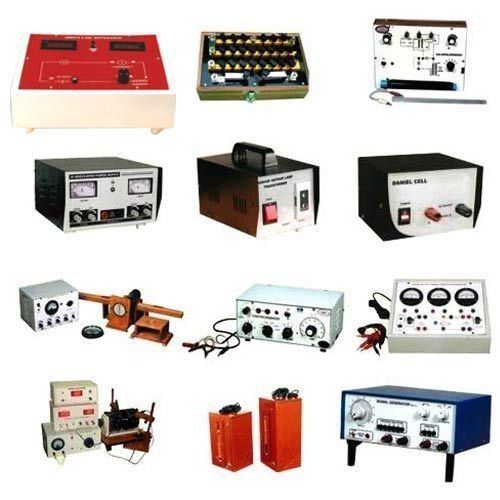

Price:
- 50
- 100
- 200
- 250
- 500
- 1000+

More Products in Engineering Electronics College Products Category
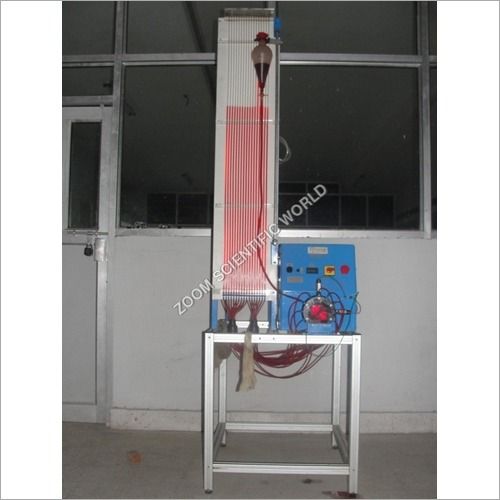
Journal Bearing Apparatus
Price 64500.0 INR / Unit
Minimum Order Quantity : 1 Unit
Color : White And Blue And Red
Voltage : 230 Volt (v)
Product Type : Bearing Apparatus
Usage : Laboratory
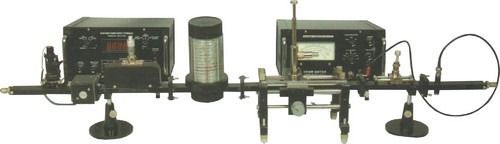
To Measure Dielectric Constant Of Solid And Liquid
Price 45500.0 INR / Unit
Minimum Order Quantity : 1 Unit
Color : Silver And Black
Voltage : 110220 Volt (v)
Product Type : Measure Dielectric Constant
Usage : Laboratory
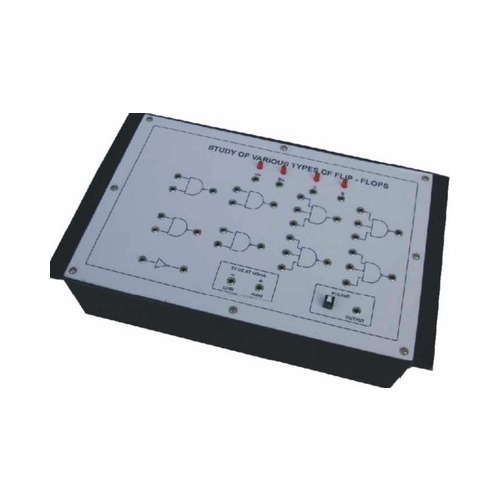
Logic Gates Experiment (Six in One)
Price 2950.0 INR / Unit
Minimum Order Quantity : 1 Unit
Color : White And Black
Voltage : 110220 Volt (v)
Product Type : Logic Gates Experiment
Usage : laboratory
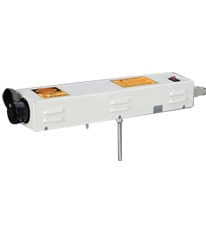
Helium Neon Laser Light
Price 122 INR / Unit
Minimum Order Quantity : 1 Unit
Color : White And Black
Voltage : 220 Volt (v)
Product Type : Laser Light
Usage : laboratory

GST : 06ALAPA6623N1Z8

- 4537/1 A, Bldg. 13, Deepak Market, Ist Ambala - 133001, Haryana, India
- Phone : 08045478393
- Export Import Code (IEC code) - 3312001811
SSI No. - 060021100476

- Mr Sahil Aggarwal (GENERAL MANAGER)
- Mobile : 08045478393

|



Developed and Managed by Infocom Network Private Limited.
