




 Send Inquiry
Expansion Of Liquids Apparatus
Expansion Of Liquids Apparatus Specification
- Automation Grade
- Manual
- Measurement Range
- 0-500 ml or as per tube calibration
- Power Source
- Not required, may be paired with external heat source
- Model No
- EL-XLQ-102
- Feature
- Comes with a graduated scale for clear measurement; interchangeable reservoirs for different liquids
- Capacity
- 500 ml (other volumes available as required) Milliliter (ML)
- Temperature Range
- Room temperature up to 100°C Celsius (oC)
- Core Components
- Glass reservoir, capillary/tubes, metal stand, clamps
- Equipment Materials
- Glass (pipettes and tubes), Metal (stand, frame), Rubber stoppers
- Type
- Physics Laboratory Apparatus
- Usage
- To demonstrate the expansion of liquid with temperature for physics/chemistry experiments
- Display Type
- Analog scale with graduated tube
- Dimension (L*W*H)
- Approx. 35 cm x 18 cm x 13 cm Centimeter (cm)
- Weight
- Approx. 1.5 kg Kilograms (kg)
- Safety
- Allyl clamps to hold tubes; use caution with hot water bath
- Mounting Type
- Table top
- Heating Equipment
- Heating not included (external heat source recommended)
- Sustainability
- Reusable and low-maintenance design
- Number of Vessels
- 3
- Sample Liquids Supported
- Water, ethanol, glycerin (user-supplied)
- Bath Material
- Powder coated steel or aluminum tray
- Operation
- Fill vessels, record initial level, heat bath, observe rise in liquid columns
Expansion Of Liquids Apparatus Trade Information
- Minimum Order Quantity
- 1 Piece
- Supply Ability
- 100 Pieces Per Month
- Delivery Time
- 7 Days
- Main Domestic Market
- All India
- Certifications
- ISO 9001: 2015 CE Certified CO.
Expansion Of Liquids Apparatus About
Zoom is a esteemed manufacturer and exporter. It has all types of lab equipments and microscope.To show difference in expansion of various liquids over the same temperature range..
It comprises 5 glass graduated capillary tubes of equal bore and bulbs at the bottom, mounted on a support frame with metal trough for immression of bulbs in hot water in it.
Versatile Demonstration for Physics Labs
This apparatus supports experiments with three different sample liquids simultaneously, allowing students to observe and compare thermal expansion behaviors easily and safely. Designed for tabletop use, it includes graduated tubes and a sturdy metal stand for stability. The reusable glass reservoirs and robust accessory set-up make it suitable for repeated classroom or laboratory use.
User-Friendly and Safe Operation
Simply fill the vessels with water, ethanol, or glycerin, record the initial liquid levels, and heat the tray with an external source. The rise in liquid columns can be clearly observed and measured using the analog graduated scale. Safety is prioritized with allyl clamps for tube security and recommendations for cautious handling with hot water baths.
Sustainable, Accurate, and Flexible Design
Built from durable glass and metal, the apparatus can be used repeatedly for multiple experiments. Its measurement range accommodates up to 500 ml, and interchangeable reservoirs allow for versatility with different liquids. The analog scale provides reliable readings to within 1 ml, supporting accurate educational demonstrations.
FAQs of Expansion Of Liquids Apparatus:
Q: How is the Expansion of Liquids Apparatus operated during experiments?
A: To operate, fill each glass vessel with your chosen liquid, record the initial levels using the analog scale, heat the bath with an external source, and observe the rise in liquid columns. The entire procedure is manual, giving users complete control over the heating and observation process.Q: What types of liquids can be used with this apparatus?
A: The apparatus is designed to support a range of user-supplied liquids, commonly water, ethanol, and glycerin. This flexibility allows for comparative studies of how different liquids expand when heated.Q: When should I use an external heat source, and what is recommended?
A: Heating equipment is not included; an external source such as a laboratory hot plate or water bath is recommended. Use it to gently heat the tray to a suitable temperature (up to 100C), ensuring safe and observable expansion without risking vessel damage.Q: Where should the apparatus be set up for best results?
A: Set up the apparatus on a stable tabletop surface in a well-ventilated laboratory or classroom environment. Ensure all safety measures are followed, especially when handling heated liquids and using the external heat source.Q: What is the main process for measuring the thermal expansion of liquids?
A: Begin by filling the glass reservoirs with your chosen liquids, secure the stoppers and tubes, and note initial readings. Apply heat, then closely watch and measure how much each liquid column rises. The analog scale makes it easy to quantify liquid expansion with high visibility and accuracy.Q: How does using this apparatus benefit science education?
A: This device facilitates hands-on learning by visually demonstrating the thermal expansion of different liquids, reinforcing theoretical concepts in physics and chemistry. Its reusable design and analog display enable straightforward, repeatable classroom experiments.Q: What maintenance and safety precautions are necessary?
A: Clean the glassware and tray after each use, and periodically check for cracks or damage. Always use allyl clamps to secure the tubes, handle hot components with care, and avoid splashing hot liquids to ensure safe operation and longevity of the apparatus.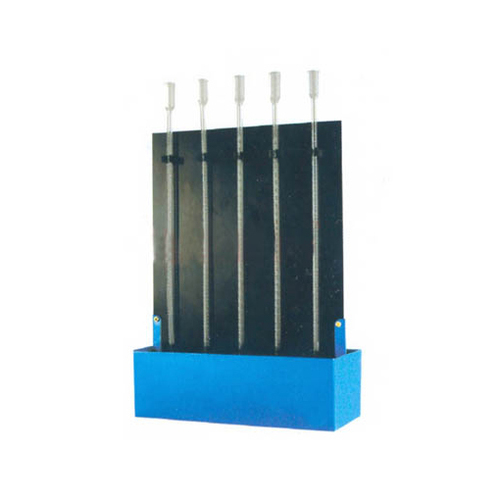

Price:
- 50
- 100
- 200
- 250
- 500
- 1000+

More Products in Physics Lab Equipment Category
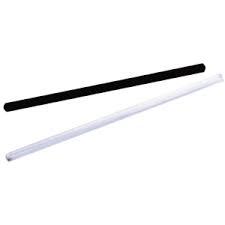
Rod Polythene
Price 99 INR / Piece
Minimum Order Quantity : 1 Piece
Color : White And Black
Product Type : Rod
Usage : Chemical Laboratory
Material : Borosilicate Glass
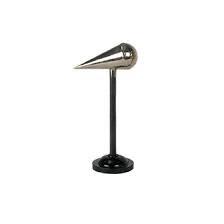
Conductor Conical
Price 102 INR / Piece
Minimum Order Quantity : 1 Piece
Color : Silver And Black
Product Type : Conductor
Usage : Laboratory
Material : Brass, nickel plated
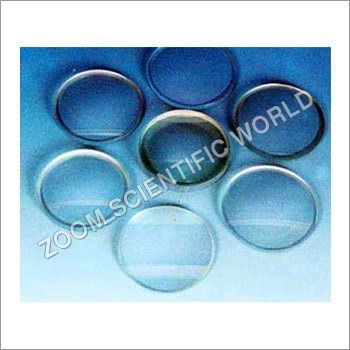
Lens Mirror Prism
Price 100 INR / Piece
Minimum Order Quantity : 1 Piece
Color : Transparent
Product Type : Lens Mirror
Usage : Lens glasses
Material : Glass
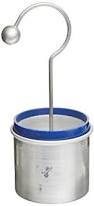
Lyden Jar
Price 102 INR / Piece
Minimum Order Quantity : 1 Piece
Color : Silver
Product Type : Jar
Usage : Chemical Laboratory
Material : Steel

GST : 06ALAPA6623N1Z8

- 4537/1 A, Bldg. 13, Deepak Market, Ist Ambala - 133001, Haryana, India
- Phone : 08045478393
- Export Import Code (IEC code) - 3312001811
SSI No. - 060021100476

- Mr Sahil Aggarwal (GENERAL MANAGER)
- Mobile : 08045478393

|



Developed and Managed by Infocom Network Private Limited.
