




 Send Inquiry
Flasks Flat Bottom, Short Neck Or Medium Neck
Price 10 INR/ Piece
Flasks Flat Bottom, Short Neck Or Medium Neck Specification
- Usage
- Laboratory
- Product Type
- Neck Or Medium Neck
- Color
- Transparent
- Material
- Glass
- Compatibility
- Suitable for use with most laboratory heating mantles and hot plates
- Autoclavable
- Yes, suitable for sterilization
- Graduation
- Marked with capacity graduations
- Surface Finish
- Smooth
- Neck Type
- Available in short or medium neck variants
- Reusability
- Reusable
- Chemical Resistance
- Excellent (acid, alkali and solvent resistant)
Flasks Flat Bottom, Short Neck Or Medium Neck Trade Information
- Minimum Order Quantity
- 1 Piece
- Payment Terms
- Cash Advance (CA), Cash in Advance (CID)
- Supply Ability
- 1000 Pieces Per Week
- Delivery Time
- 1 Week
- Sample Available
- Yes
- Sample Policy
- Sample costs shipping and taxes has to be paid by the buyer
- Main Export Market(s)
- Middle East, Central America, Eastern Europe, South America, Western Europe, Asia, North America, Australia, Africa
- Main Domestic Market
- All India
Flasks Flat Bottom, Short Neck Or Medium Neck About
Flasks Flat Bottom, Short Neck Or Medium Neck:-
Catalogue No. Socket Size Capacity Of Flasks
251/01 B 14 25
251/02 B 14 50
251/03 B 14 100
251/04 B 19 50
251/05 B 24 50
251/06 B 19 100
251/07 B 19 150
251/08 B 19 250
251/09 B 24 100
251/10 B 24 150
251/11 B 24 250
251/12 B 29 250
251/13 B 34 250
251/14 B 24 500
251/15 B 29 500
251/16 B 34 500
251/17 B 24 1000
251/18 B 29 2000
251/19 B 29 1000
251/20 B 34 1000
251/21 B 34 2000
251/22 B 34 3000
251/23 B 40 5000
Versatility in Laboratory Applications
These flat bottom glass flasks are designed for flexibility in the lab, providing solutions for a wide variety of heating, mixing, and storage tasks. The choice of short or medium neck accommodates different procedural setups, making them ideal for everything from chemical reactions to sample storage. Their compatibility with most standard lab heating mantles and hotplates simplifies workflow integration.
Durability and Chemical Resistance
Manufactured from transparent, high-quality glass, these flasks offer excellent resistance to acids, alkalis, and a variety of solvents. The robust glass material not only ensures a long usable life but also supports repeated autoclaving and cleaning, meeting the demands of rigorous laboratory environments while maintaining measurement accuracy.
FAQs of Flasks Flat Bottom, Short Neck Or Medium Neck:
Q: How do I sterilize flat bottom, short neck or medium neck flasks?
A: You can sterilize these flasks using an autoclave, as they are made from autoclave-compatible glass. Ensure the flask is clean and place it in the autoclave following standard laboratory sterilization protocols.Q: What are the typical uses for these glass flasks in the laboratory?
A: These glass flasks are ideal for heating, mixing, chemical storage, or preparing solutions. Their flat bottoms provide stability on laboratory surfaces, and the graduations help ensure precise measurement of liquids.Q: When should I choose a short neck versus a medium neck flask?
A: Select a short neck flask for procedures where quicker access and pouring is needed. A medium neck flask is preferable for setups where you need extra space for stoppers or connecting laboratory apparatus, offering added flexibility for complex procedures.Q: Where are these flasks most commonly used?
A: They are commonly found in educational, research, and industrial laboratories for general experiments, solution preparation, and chemical storage applications.Q: What is the cleaning process for the glass flasks?
A: The flasks feature a smooth surface finish for easy cleaning. Wash the flask with an appropriate laboratory detergent, rinse thoroughly with distilled water, and if necessary, autoclave to ensure complete sterilization.Q: What are the benefits of their chemical resistance?
A: Their excellent resistance to acids, alkalis, and solvents allows safe handling of a broad range of chemicals without risk of flask degradation or contamination, preserving the integrity of your experiments.Q: Are these flasks reusable, and how should they be maintained?
A: Yes, these flasks are reusable. Maintain them by cleaning after each use and sterilizing as needed. Regular inspection for chips or cracks will help ensure ongoing safety and performance in laboratory tasks.

Price:
- 50
- 100
- 200
- 250
- 500
- 1000+

More Products in Lab Glassware Category

Burettes With Pinch Cock and Jet
Price 23 INR / Piece
Minimum Order Quantity : 1 Piece
Product Type : Pinch Cock and Jet
Material : Glass
Usage : Chemical Laboratory
Color : Transparent
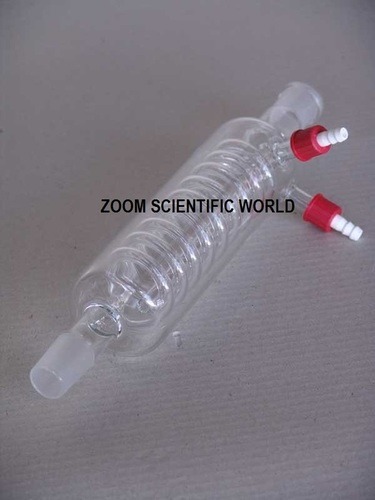
Inland Revenue Condenser
Price 10 INR / Piece
Minimum Order Quantity : 1 Piece
Product Type : Revenue Condenser
Material : Glass
Usage : Laboratory
Color : Transparent
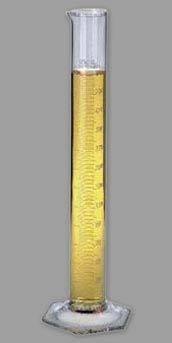
Hexagonal Measuring Cylinder
Price 10 INR / Piece
Minimum Order Quantity : 1 Piece
Product Type : Measuring Cylinder
Material : Glass
Usage : Chemical Laboratory, measurements, Industrial
Color : Transparent
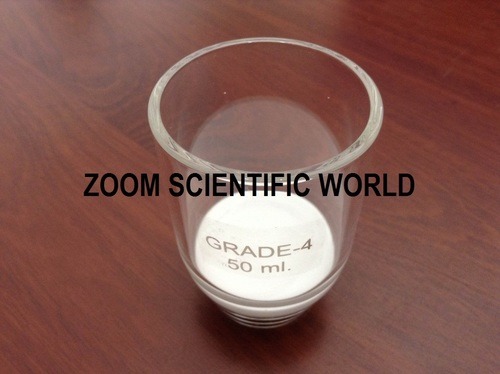
Sintered Crucibles Gooch Type
Price 17 INR / Piece
Minimum Order Quantity : 1 Piece
Product Type : Sintered Crucibles
Material : Glass
Usage : Chemical Laboratory
Color : Transparent

GST : 06ALAPA6623N1Z8

- 4537/1 A, Bldg. 13, Deepak Market, Ist Ambala - 133001, Haryana, India
- Phone : 08045478393
- Export Import Code (IEC code) - 3312001811
SSI No. - 060021100476

- Mr Sahil Aggarwal (GENERAL MANAGER)
- Mobile : 08045478393

|



Developed and Managed by Infocom Network Private Limited.
