




 Send Inquiry
Glass Test Tube
Price 10 INR/ Piece
Glass Test Tube Specification
- Usage
- Chemical Laboratory
- Size
- 12x75 mm or 12x100 mm
- Product Type
- Test Tube
- Color
- Transparent
- Material
- Glass
- Resistance
- Corrosion Resistant
- Thickness
- Standard Laboratory Grade
- Bottom Type
- Round
- Rim Type
- Smooth
- Reusability
- Reusable
- Packaging Type
- Box
Glass Test Tube Trade Information
- Minimum Order Quantity
- 1 Piece
- Payment Terms
- Cash in Advance (CID), Cash Advance (CA)
- Supply Ability
- 1000 Pieces Per Week
- Delivery Time
- 1 Week
- Sample Available
- Yes
- Sample Policy
- Sample costs shipping and taxes has to be paid by the buyer
- Main Export Market(s)
- Western Europe, Asia, Australia, North America, Eastern Europe, Middle East, Central America, South America, Africa
- Main Domestic Market
- All India
Glass Test Tube About
We have become prime choice of numerous customers by manufacturing and supplying an exclusive range of Glass Test Tube. These tubes are used in chemistry labs for mixing and heating liquids and other materials. The tubes are made of best quality glass materials, sourced from the most reliable vendors. The clients can avail our Glass Test Tube from us in different customized sizes and dimensions as per their requirements.This premium glass test tube is heat resistant, transparent and of the highest quality. It is made with industry grade borosilicate glass, making it the perfect choice for home and science laboratories. Featuring a uniform wall thickness and exceptional durability, this long-lasting glass test tube is sure to provide accurate results and reliable performance.
Features:
-
Durable quality
-
Transparent
-
Light weight
Specifications:
Glass Test Tube We are the leading manufacturer of glass lab products ,with super fine quality. S.No. Approx. Capacity (ml.) O.D.Length (mm.) 1. 3 10 x 75 2. 5 12 x 75 3. 8 12 x 100 4. 10 15 x 125 5. 12 15 x 150 6. 25 18 x 150 7. 50 25 x 150 8. 75 25 x 200 9. - 32 x 200 10. - 38 x 200
Reliable Laboratory Essential
Glass Test Tubes are indispensable tools for chemical laboratories, providing a safe and clear vessel for mixing, heating, or holding substances during experiments. Their round bottom and smooth rim design ensure ease of use, minimizing sample loss and risk of injury. The transparent material allows easy monitoring of chemical reactions and sample clarity.
Durable and Corrosion-Resistant Material
Crafted from corrosion-resistant glass, these test tubes stand up to repeated use and exposure to various chemicals. Their reusability makes them a sustainable and economical choice for frequent laboratory activities, reducing the need for regular replacements and maintaining experimental integrity.
Versatile Sizes for Various Experiments
With size options of 12x75 mm or 12x100 mm, these test tubes suit a diverse range of laboratory tasksfrom small-scale qualitative tests to larger volume experiments. The standard thickness and round bottom design promote even heating and facilitate proper chemical mixing for accurate results.
FAQs of Glass Test Tube:
Q: How should the glass test tube be cleaned and reused?
A: After use, wash the test tube with mild detergent and thoroughly rinse with distilled water. Allow it to air dry or dry with a lint-free cloth before the next use. Avoid abrasive cleaning tools to maintain clarity and prevent scratching.Q: What are the benefits of using a corrosion-resistant glass test tube in the laboratory?
A: Corrosion-resistant glass ensures the test tube withstands repeated exposure to chemicals without degrading or contaminating samples. This property provides reliable results, longer product life, and safer handling of a wider variety of substances.Q: When should I choose the 12x75 mm versus the 12x100 mm size?
A: Choose the 12x75 mm size for small-volume reactions and limited sample quantities. Opt for the 12x100 mm size when your experiment requires slightly larger volumes, more headspace, or easier mixing and observation of contents.Q: Where is this glass test tube typically used?
A: It is commonly used in educational, research, pharmaceutical, and industrial chemical laboratories for tasks such as heating, mixing, storing, or observing chemical reactions.Q: What is the process for safely heating a substance in this test tube?
A: Place the test tube in a test tube holder at an angle and gently heat the bottom over a flame, moving it back and forth to avoid localized overheating. Always wear safety goggles and heat-resistant gloves during the process.Q: How does the round bottom design benefit laboratory procedures?
A: The round bottom promotes uniform heating and mixing of substances, reduces localized stress that can cause cracks, and allows easy pouring and cleaning.Q: What makes this glass test tube an environmentally friendly choice?
A: Being reusable and made from durable glass, the test tube reduces the environmental impact associated with disposable labware, lowering waste and the demand for frequent replacement.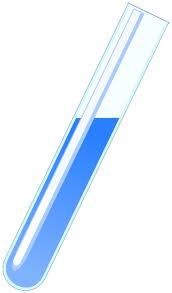

Price:
- 50
- 100
- 200
- 250
- 500
- 1000+

More Products in Lab Glassware Category
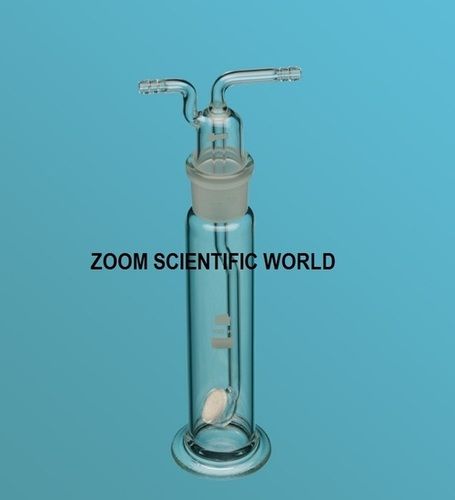
Gas Washing Bottles
Price 17 INR / Piece
Minimum Order Quantity : 1 Piece
Usage : Chemical Laboratory
Product Type : Bottles
Material : Glass
Color : Transparent
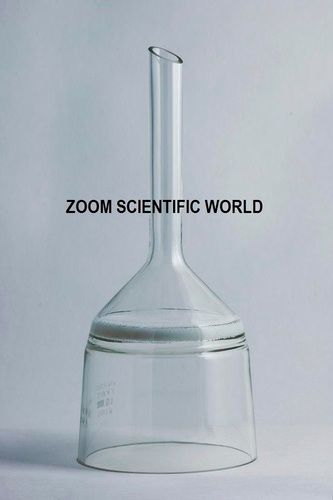
Semi Micro Sintered Funnel
Price 11 INR / Piece
Minimum Order Quantity : 1 Piece
Usage : Chemical Laboratory
Product Type : Sintered Funnel
Material : Glass
Color : Transparent
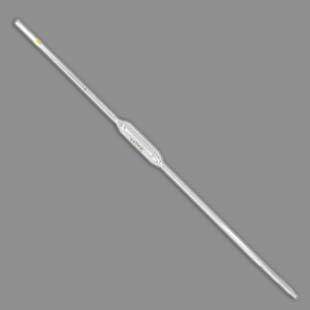
Volumetric Pipette
Price 10 INR / Piece
Minimum Order Quantity : 1 Piece
Usage : Laboratory
Product Type : Pipette
Material : Glass
Color : White
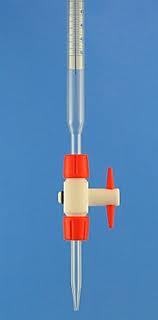
Burrette
Price 10 INR / Piece
Minimum Order Quantity : 1 Piece
Usage : Laboratory
Product Type : Burrette
Material : Glass
Color : Transparent

GST : 06ALAPA6623N1Z8

- 4537/1 A, Bldg. 13, Deepak Market, Ist Ambala - 133001, Haryana, India
- Phone : 08045478393
- Export Import Code (IEC code) - 3312001811
SSI No. - 060021100476

- Mr Sahil Aggarwal (GENERAL MANAGER)
- Mobile : 08045478393

|



Developed and Managed by Infocom Network Private Limited.
