




 Send Inquiry
HUMAN DIGESTIVE SYSTEM
Price 115 INR/ Piece
HUMAN DIGESTIVE SYSTEM Specification
- Material
- PVC Plastic
- Product Type
- Human
- Usage
- Nursing Institutes
- Color
- Yellow And Pink And Red
- Type
- Anatomical Model
- Mounting
- Mounted on Base Plate
- Educational Level
- Suitable for all Academic Grade Levels
- Surface Finish
- Smooth, Easy To Clean
- Packaging Type
- Box, Individual Packing
HUMAN DIGESTIVE SYSTEM Trade Information
- Minimum Order Quantity
- 1 , , Piece
- Payment Terms
- Cash in Advance (CID), Cash Advance (CA)
- Supply Ability
- 100 Pieces Per Week
- Delivery Time
- 1 Week
- Sample Available
- Yes
- Sample Policy
- Sample costs shipping and taxes has to be paid by the buyer
- Main Export Market(s)
- Australia, North America, Eastern Europe, Central America, Middle East, South America, Western Europe, Asia, Africa
- Main Domestic Market
- All India
HUMAN DIGESTIVE SYSTEM About
The human digestive system is a complex series of organs and glands that processes food. In order to use the food we eat, our body has to break the food down into smaller molecules that it can process; it also has to excrete waste.Most of the digestive organs (like the stomach and intestines) are tube-like and contain the food as it makes its way through the body. The digestive system is essentially a long, twisting tube that runs from the mouth to the anus, plus a few other organs (like the liver and pancreas) that produce or store digestive chemicals.
Comprehensive Educational Tool
The Human Digestive System anatomical model is a valuable resource for students, educators, and medical trainees. Designed with accurate anatomical detail and bright color coding, it aids in the visualization and understanding of complex digestive processes. The durable PVC material and mounted base ensure longevity, making it reliable for repeated use in various academic environments.
Durable and Easy-to-Clean Design
Crafted from high-quality PVC plastic, this model boasts a smooth, user-friendly surface finish. Its easy-to-clean nature allows for safe and hygienic handling, ideal for classroom demonstrations and hands-on student interaction. The carefully mounted base enhances stability, preventing accidental movement during lessons.
Effective Learning Aid
This anatomical model clarifies the spatial relationships and functions of digestive organs. Suitable for students at all academic levels, it simplifies complex physiology for better retention and engagement. Use it to supplement textbooks and lectures, or incorporate it into practical exams for targeted learning outcomes.
FAQs of HUMAN DIGESTIVE SYSTEM:
Q: How does this anatomical model demonstrate the human digestive system?
A: The model visually represents the major organs and structures of the digestive system, showing their arrangement, size, and interconnections. Educators can use it to explain the step-by-step process of digestion, from ingestion to nutrient absorption and waste elimination.Q: What material is the Human Digestive System model made from?
A: This model is crafted from durable PVC plastic, which resists wear and tear. The surface is smooth and easy to clean, ensuring longevity and hygiene during repeated handling in classroom settings.Q: When should this model be used in teaching or training?
A: It is ideal for demonstrations during biology or health science lessons, practical exams, and student lab sessions. The model is especially useful when a hands-on, tangible aid is needed to supplement theoretical concepts about the digestive system.Q: Where can the Human Digestive System model be utilized?
A: This model is most commonly used in nursing institutes, schools, colleges, and other educational facilities. It is also suitable for medical workshops, training centers, and even clinics for patient education.Q: What is the benefit of using a physical anatomical model for learning?
A: Physical models help students visualize and understand the three-dimensional relationships between organs, enhancing comprehension and retention. They promote hands-on learning, encourage questions, and make abstract physiological processes easier to grasp.Q: How should the model be maintained for regular use?
A: Simply wipe the PVC surface with a damp cloth or gentle disinfectant after each use. Avoid harsh chemicals or abrasive cleaning tools to preserve the colors and finish.Q: What academic levels is this model suitable for?
A: The model is designed to be suitable for all academic grade levels, making it versatile for primary, secondary, and advanced educational settings.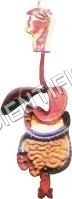

Price:
- 50
- 100
- 200
- 250
- 500
- 1000+

More Products in Human Anatomy Models Category
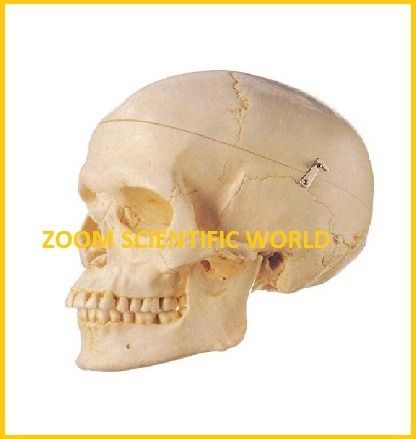
Adult Skull
Price 119 INR / Piece
Minimum Order Quantity : 1 Piece
Usage : Medical education, anatomical demonstration, teaching, study
Type : Anatomical Model
Dimension (L*W*H) : Approx. 21 cm x 14 cm x 15 cm
Weight : Approx. 600800 grams
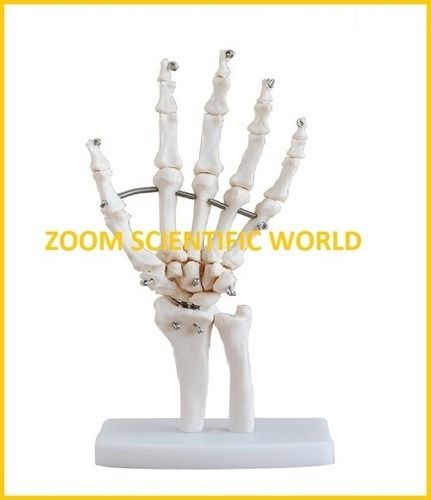
Hand Joint
Price 105 INR / Piece
Minimum Order Quantity : 1 Pack
Usage : Industrial, Pneumatic Applications, Pipe Fitting
Type : Hand Joint
Dimension (L*W*H) : Standard
Weight : Approx 3050 gm
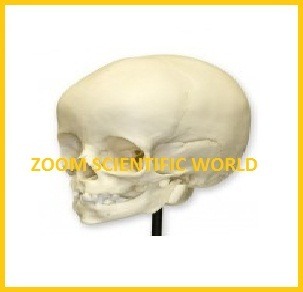
Foetal Child Skull (Infant Skull)
Price 104 INR / Piece
Minimum Order Quantity : 1 Piece
Usage : Medical Education, Anatomy Study
Type : Anatomical Model
Dimension (L*W*H) : Approx. 14 cm x 10 cm x 12 cm
Weight : Approx. 0.4 kg
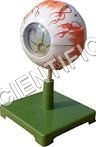
HUMAN EYE MODEL
Price 250 INR / Piece
Minimum Order Quantity : 1 , , Piece
Usage : Medical
Type : Eye Model
Weight : 50100 Grams (g)

GST : 06ALAPA6623N1Z8

- 4537/1 A, Bldg. 13, Deepak Market, Ist Ambala - 133001, Haryana, India
- Phone : 08045478393
- Export Import Code (IEC code) - 3312001811
SSI No. - 060021100476

- Mr Sahil Aggarwal (GENERAL MANAGER)
- Mobile : 08045478393

|



Developed and Managed by Infocom Network Private Limited.
