




 Send Inquiry
Reduction Adapters
Price 10 INR/ Piece
Reduction Adapters Specification
- Usage
- Laboratory
- Product Type
- Reduction Adapters
- Color
- Transparent
- Material
- Glass
- Manufacturing Standard
- Conforms to ASTM and ISO laboratory glassware standards
- Pressure Resistance
- Suitable for low to moderate vacuum and pressure applications
- Joint Size Compatibility
- Designed for compatibility between various joint sizes (e.g., 14/23, 19/26, 24/29, etc.)
- Autoclavable
- Yes
- Connection Type
- Ground glass joint (socket and cone)
Reduction Adapters Trade Information
- Minimum Order Quantity
- 1 Piece
- Payment Terms
- Cash in Advance (CID), Cash Advance (CA)
- Supply Ability
- 1000 Pieces Per Week
- Delivery Time
- 1 Week
- Sample Available
- Yes
- Sample Policy
- Sample costs shipping and taxes has to be paid by the buyer
- Main Export Market(s)
- North America, Eastern Europe, Middle East, Africa, Central America, South America, Western Europe, Asia, Australia
- Main Domestic Market
- All India
About Reduction Adapters
Reduction Adapters:-
Catalogue No. Socket Size Cone Size
100/01 B 10 B 14
100/02 B 14 B 19
100/03 B 14 B 24
100/04 B 14 B 29
100/05 B 19 B 24
100/06 B 19 B 29
100/07 B 19 B 34
100/08 B 19 B 40
100/09 B 19 B 45
100/10 B 19 B 55
100/11 B 24 B 29
100/12 B 24 B 34
100/13 B 24 B 40
100/14 B 24 B 45
100/15 B 24 B 50
100/16 B 24 B 55
100/17 B 29 B 34
100/18 B 29 B 40
100/19 B 29 B 45
100/20 B 34 B 40
100/21 B 34 B 55
100/22 B 40 B 55
Reliable Joint Compatibility
Reduction adapters are specifically constructed for seamless connection between glassware of differing standard ground glass joint sizes. This feature allows laboratories to work flexibly with various apparatus, facilitating experimental set-ups and modifications without the need for new glassware purchases.
Quality Manufacturing and Standards
Produced from premium-grade glass, these adapters conform to recognized ASTM and ISO standards for laboratory glassware. Their transparency allows easy monitoring of substances, while their construction ensures compatibility and safety in most laboratory environments.
Versatile Laboratory Application
Whether for basic research, teaching, or complex industrial experiments, reduction adapters are invaluable in connecting diverse instruments. Their suitability for routine, vacuum, and low-pressure applications enhances workflow, streamlining the assembly of intricate apparatus arrangements.
FAQs of Reduction Adapters:
Q: How do reduction adapters function in a laboratory setting?
A: Reduction adapters connect glassware components with different ground glass joint sizes, enabling secure and leak-free transitions between apparatus that might otherwise be incompatible. This aids in building or modifying experimental setups efficiently.Q: What is the primary benefit of using glass reduction adapters?
A: The main advantage is flexibilitylaboratories can utilize existing glassware with varying joint sizes, avoiding the extra cost of buying new matching pieces. This adaptability is especially valuable in dynamic research environments.Q: Where are these reduction adapters used most commonly?
A: These adapters are widely used in universities, research institutes, and industrial laboratories. They are essential wherever glassware with differing ground glass joint sizes must be joined safely and effectively.Q: Are reduction adapters compatible with vacuum or pressure applications?
A: Yes, these glass adapters are designed for low to moderate vacuum and pressure situations, making them suitable for standard laboratory operationsthough users should always check compatibility with extreme environments.Q: What standards do these reduction adapters comply with?
A: They are manufactured to conform to ASTM and ISO standards, which are internationally recognized benchmarks for laboratory glassware quality and safety.Q: How should reduction adapters be maintained to ensure longevity?
A: Routine cleaning with laboratory-safe detergents and careful handling help extend their lifespan. Its important to avoid sudden temperature changes and mechanical shocks to prevent breakage.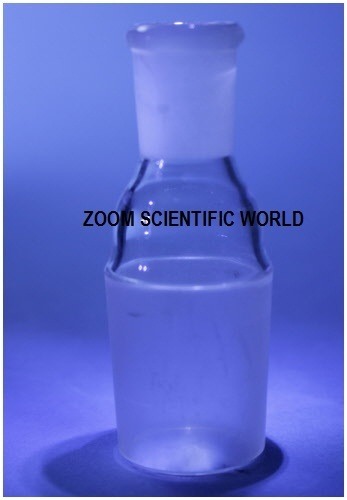

Price:
- 50
- 100
- 200
- 250
- 500
- 1000+

More Products in Lab Glassware Category

Vigreux Columns
Price 12 INR / Piece
Minimum Order Quantity : 1 , , Piece
Material : Glass
Usage : Chemical Laboratory
Product Type : Vigreux
Color : Transparent
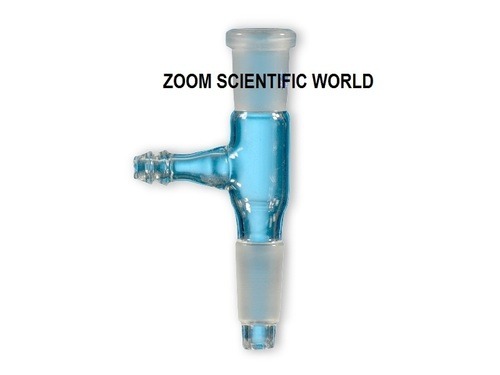
Adapter Socket To Cone With Tee Connection
Price 10 INR / Piece
Minimum Order Quantity : 1 Piece
Material : Glass
Usage : Laboratory
Product Type : Adapter Socket
Color : Transparent
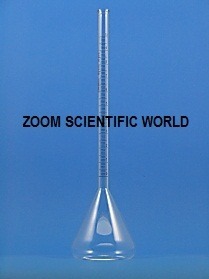
Cassia Flask
Price 14 INR / Piece
Minimum Order Quantity : 1 Piece
Material : Glass
Usage : Chemical Laboratory
Product Type : Flask
Color : Transparent
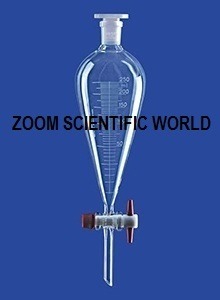
Separating Funnels With Sitopcock,Interchangeable Stopper,Conical/Pear Shape With Plain Stem
Price 12 INR / Piece
Minimum Order Quantity : 1 , , Piece
Material : Glass
Usage : Chemical Laboratory
Product Type : Plain Stem
Color : Transparent

GST : 06ALAPA6623N1Z8

- 4537/1 A, Bldg. 13, Deepak Market, Ist Ambala - 133001, Haryana, India
- Phone : 08045478393
- Export Import Code (IEC code) - 3312001811
SSI No. - 060021100476

- Mr Sahil Aggarwal (GENERAL MANAGER)
- Mobile : 08045478393

|



Developed and Managed by Infocom Network Private Limited.
