




 Send Inquiry
Rotaflow Stopcocks Screw Type
Price 14 INR/ Piece
Rotaflow Stopcocks Screw Type Specification
- Usage
- Laboratory Equipment
- Product Type
- Stopcocks Screw Type
- Color
- Transparent
- Material
- Borosilicate Glass
- Handle Material
- PTFE or compatible material (if applicable)
- Finish
- Clear and smooth finish
- Chemical Compatibility
- Highly resistant to acids, alkalis, and solvents
- Sizes Available
- Variety of sizes as per laboratory requirements
- Maintenance
- Easy to clean, autoclavable
- Connection Type
- Ground joint or standard glass connector
Rotaflow Stopcocks Screw Type Trade Information
- Minimum Order Quantity
- 1 , , Piece
- Payment Terms
- Cash in Advance (CID), Cash Advance (CA)
- Supply Ability
- 1000 Pieces Per Week
- Delivery Time
- 1 Week
- Sample Available
- Yes
- Sample Policy
- Sample costs shipping and taxes has to be paid by the buyer
- Main Export Market(s)
- Western Europe, Asia, Middle East, Central America, Eastern Europe, South America, North America, Australia, Africa
- Main Domestic Market
- All India
Rotaflow Stopcocks Screw Type About
Rotaflow Stopcocks Screw Type:- PTFE key,with two limbs plain.
Catalogue No. Bore mm.
970/01 2
970/02 4
970/03 9
970/04 12
Rotaflow Stopcocks Screw Type:- PTFE key,with two plain limbs,at right angle.
Catalogue No. Bore mm.
971/01 9
971/02 12
Rotaflow Stopcocks Screw Type:- Catalogue No.972:- PTFE key,with two limbs,at right angle,capillary bore 2 mm.
Rotaflow Stopcocks Screw Type:- Catalogue No.973:- PTFE key, for burette,2 mm bore.
Rotaflow Stopcocks Screw Type:- PTFE key,for separating funnel.
Catalogue No. Bore mm.
974/01 2
974/02 4
974/03 9
974/04 12
Precision Flow Control Made Simple
Rotaflow Stopcocks Screw Type facilitate precise management of flow in laboratory glassware assemblies. Their screw mechanism ensures smooth and accurate regulation of liquids, making them suitable for a wide range of analytical or synthetic applications. Crafted from chemical-resistant borosilicate glass, they offer exceptional reliability even when used with harsh solvents, acids, or alkalis.
Exceptional Durability and Chemical Resistance
Manufactured from borosilicate glass, these stopcocks ensure excellent durability and resistance against corrosive chemicals typically encountered in laboratories. The transparent design aids in quick visual checks and cleaning. Where applicable, PTFE or compatible material handles bolster chemical compatibility and longevity.
Flexible Integration and Easy Maintenance
Rotaflow Screw Type Stopcocks are available in various sizes to fit standard glass connectors or ground joints, accommodating the diverse setups of modern laboratories. Their ease of cleaning and autoclaving streamlines regular maintenance, supporting safe use and prolonging product lifespan.
FAQs of Rotaflow Stopcocks Screw Type:
Q: How are Rotaflow Stopcocks Screw Type typically used in the laboratory?
A: They are used to control, start, or stop the flow of liquids within glassware assemblies such as burettes, condensers, or reaction vessels. The screw type mechanism allows precise adjustment and secure sealing to prevent leaks.Q: What materials are used in the construction of these stopcocks?
A: The main body is made of high-quality borosilicate glass, known for its chemical resistance and clarity. Handles, if included, are typically constructed from PTFE or other chemically compatible materials for enhanced durability.Q: Are Rotaflow Screw Type Stopcocks suitable for use with aggressive chemicals?
A: Yes, they are highly resistant to acids, alkalis, and a broad range of solvents due to their borosilicate glass construction and chemically inert handle options.Q: How should these stopcocks be cleaned and maintained?
A: Routine cleaning involves washing with suitable solvents and, if needed, the stopcocks can be autoclaved for thorough sterilization. Their smooth, clear finish ensures residue can be easily detected and removed.Q: In what sizes are Rotaflow Screw Type Stopcocks available?
A: A variety of sizes are supplied to match different laboratory requirements. They are designed to fit ground glass joints or standard glass connectors commonly used in laboratory glassware.Q: What advantages does the screw type design offer over traditional stopcocks?
A: The screw mechanism provides more precise flow regulation and a more reliable seal compared to traditional plug-type stopcocks, minimizing risk of leaks during critical operations.Q: Can these stopcocks be integrated with existing glassware setups?
A: Yes, with standard ground joints or glass connectors, these stopcocks can be seamlessly incorporated into most laboratory glassware configurations.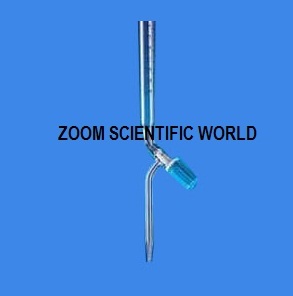

Price:
- 50
- 100
- 200
- 250
- 500
- 1000+

More Products in Lab Glassware Category
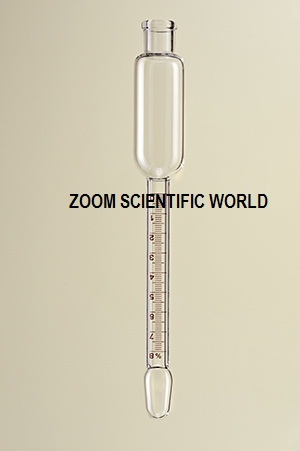
Butyrometer equipment
Price 90.0 INR / Piece
Minimum Order Quantity : 1 Piece
Usage : Milk
Material : Glass
Color : Transparent
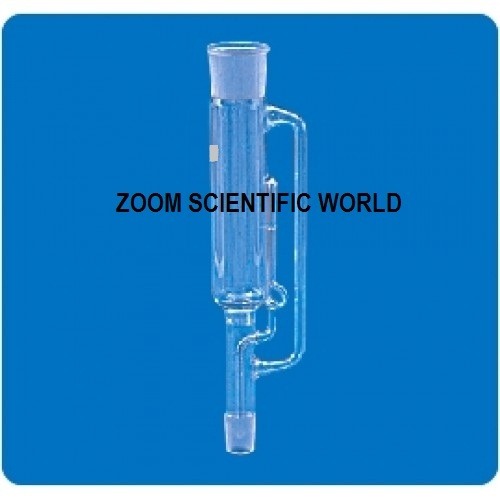
Spare Extractor
Price 16 INR / Piece
Minimum Order Quantity : 1 Piece
Usage : Chemical Laboratory
Material : Glass
Color : Transparent
Product Type : Spare Extractor
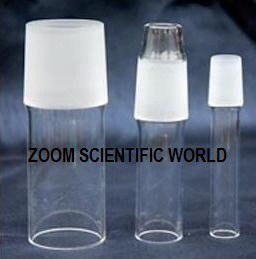
Standard Joints Cone And Socket
Price 10 INR / Piece
Minimum Order Quantity : 1 Piece
Usage : Laboratory
Material : Glass
Color : Transparent
Product Type : Joints Cone And Socket
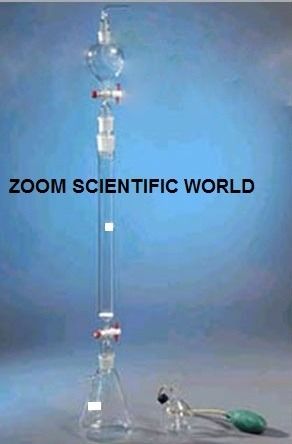
Chromatography Apparatus Semi Micro
Price 18 INR / Piece
Minimum Order Quantity : 1 Piece
Usage : Chemical Laboratory
Material : Glass
Color : Transparent
Product Type : Apparatus

GST : 06ALAPA6623N1Z8

- 4537/1 A, Bldg. 13, Deepak Market, Ist Ambala - 133001, Haryana, India
- Phone : 08045478393
- Export Import Code (IEC code) - 3312001811
SSI No. - 060021100476

- Mr Sahil Aggarwal (GENERAL MANAGER)
- Mobile : 08045478393

|



Developed and Managed by Infocom Network Private Limited.
