




 Send Inquiry
Sintered Glass Filter
Price 10 INR/ Piece
Sintered Glass Filter Specification
- Usage
- Chemical Laboratory
- Product Type
- Glass Filter
- Color
- Transparent
- Material
- Glass
- Autoclavable
- Yes
- Cleaning Method
- Easily washable and sterilizable
- Surface Finish
- Smooth
- Reusable
- Yes
- Porosity Grades Available
- G1 to G5
- Chemical Resistance
- Excellent (acids & solvents, except hydrofluoric acid)
- Compatibility
- Compatible with standard lab glassware
Sintered Glass Filter Trade Information
- Minimum Order Quantity
- 1 Piece
- Payment Terms
- Cash in Advance (CID), Cash Advance (CA)
- Supply Ability
- 1000 Pieces Per Week
- Delivery Time
- 1 Week
- Sample Available
- Yes
- Sample Policy
- Sample costs shipping and taxes has to be paid by the buyer
- Main Export Market(s)
- Australia, South America, Middle East, Central America, Western Europe, Asia, Eastern Europe, North America, Africa
- Main Domestic Market
- All India
Sintered Glass Filter About
Sintered Glass Filter:- (Straight Type) with sintered disc sealed in the centre
Catalog No. Disc Dia. mm. Porosity Grade
805/01 10 G 1
805/02 10 G 2
805/03 10 G 3
805/04 10 G 4
805/05 20 G 1
805/06 20 G 2
805/07 20 G 3
805/08 20 G 4
805/09 30 G 1
805/10 30 G 2
805/11 30 G 3
805/12 30 G 4
805/13 40 G 1
805/14 40 G 2
805/15 40 G 3
805/16 40 G 4
805/17 50 G 1
805/18 50 G 2
805/19 50 G 3
805/20 50 G 4
Superior Chemical Resistance for Laboratory Demands
The Sintered Glass Filter stands out for its exceptional resistance to acids and solvents, supporting a wide variety of chemical laboratory applications. Notably, it should not be used with hydrofluoric acid. This property makes the filter a dependable choice for researchers and technicians who demand reliable materials that withstand rigorous use and repeated sterilization.
Adaptable and Compatible with Lab Glassware
Designed to fit seamlessly with standard laboratory glass apparatus, this sintered glass filter can be integrated into existing lab setups with ease. Its available porosity grades (G1G5) allow precise selection based on filtration requirements, enhancing the versatility of laboratory experiments and processes.
Hygienic and Reusable Construction
The autoclavable and easily washable nature of the sintered glass filter ensures optimal hygiene and safe reuse. Its durable glass material maintains a smooth, transparent surface, even after repeated sterilization cycles, helping laboratories reduce waste and manage ongoing costs efficiently.
FAQs of Sintered Glass Filter:
Q: How do I clean and sterilize the Sintered Glass Filter?
A: The Sintered Glass Filter should be washed thoroughly using laboratory detergents and rinsed with distilled water. For sterilization, it is autoclavable, meaning you can steam-sterilize it in an autoclave as per standard laboratory procedures to maintain hygiene.Q: What types of chemicals can the Sintered Glass Filter withstand?
A: This filter exhibits excellent resistance to acids and solvents, making it suitable for most chemical laboratory applications. However, it is not suitable for use with hydrofluoric acid. Always confirm the chemical compatibility before use.Q: Which laboratory glassware is the Sintered Glass Filter compatible with?
A: The filter is designed to fit standard laboratory glassware, so you can integrate it into most setups without special adapters or modifications. This compatibility streamlines setup and minimizes the need for additional accessories.Q: When should I choose a particular porosity grade (G1G5)?
A: Select the porosity grade based on your filtration requirements: G1 offers coarse porosity for rapid filtration, while G5 provides fine filtration for very small particles. Match the grade to the sensitivity and type of your application for optimal results.Q: What is the advantage of a reusable filter over disposable alternatives?
A: Reusable sintered glass filters are more cost-effective in the long run, as they can be washed and sterilized for repeated use. This reduces laboratory waste and lowers operational costs while ensuring high filtration performance.Q: What is the typical usage of this filter in a laboratory environment?
A: The Sintered Glass Filter is primarily used for filtration of liquids and gases in chemical laboratories. Its chemical resistance and precise porosity make it crucial for tasks such as sample preparation, purification, and analytical processes.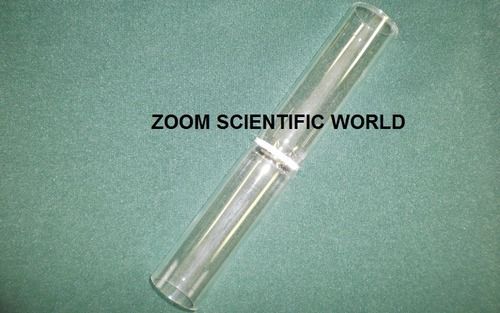

Price:
- 50
- 100
- 200
- 250
- 500
- 1000+

More Products in Lab Glassware Category
Reversible Type Condensers
Price 10 INR / Piece
Minimum Order Quantity : 1 Piece
Product Type : Type Condensers
Material : Glass
Color : Transparent
Usage : Laboratory

Dropping Funnels Cylindrical With Interchangeable Stopper & Stopcock,Plain Stem
Price 16 INR / Piece
Minimum Order Quantity : 1 , , Piece
Product Type : Dropping Funnels
Material : Glass
Color : Transparent
Usage : Chemical Laboratory
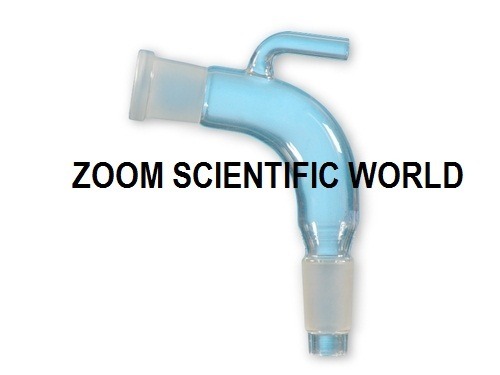
Bend With Vents
Price 10 INR / Piece
Minimum Order Quantity : 1 Piece
Product Type : Bend With Vents
Material : Glass
Color : Transparent
Usage : Laboratory
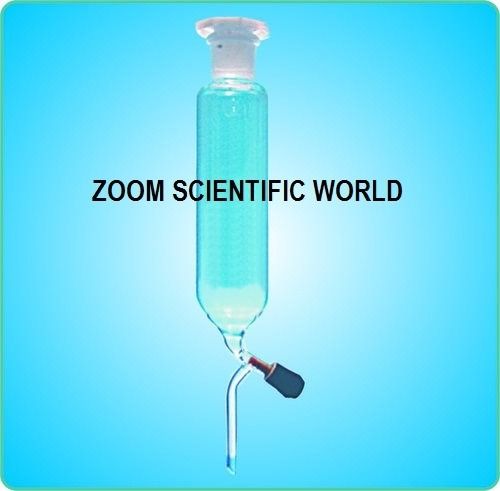
Dropping Funnels Cylindrical,With Stopcock,Screw Type PTFE Key
Price 17 INR / Piece
Minimum Order Quantity : 1 , , Piece
Product Type : Dropping Funnels
Material : Glass
Color : Transparent
Usage : Chemical Laboratory

GST : 06ALAPA6623N1Z8

- 4537/1 A, Bldg. 13, Deepak Market, Ist Ambala - 133001, Haryana, India
- Phone : 08045478393
- Export Import Code (IEC code) - 3312001811
SSI No. - 060021100476

- Mr Sahil Aggarwal (GENERAL MANAGER)
- Mobile : 08045478393

|



Developed and Managed by Infocom Network Private Limited.
