




 Send Inquiry
Slump Test Apparatus
Price 114 INR/ Unit
Slump Test Apparatus Specification
- Usage
- Laboratory
- Product Type
- Test Apparatus
- Material
- Stainless Steel
- Color
- Blue
- Dimension (L*W*H)
- L 600 mm
- Usage/Application
- Concrete Workability Test
- Base Plate Material
- Mild Steel with handles
- Tamping Rod Material
- Mild Steel, 16 mm dia x 600 mm long, rounded at one end
- Surface Finish
- Polished
Slump Test Apparatus Trade Information
- Minimum Order Quantity
- 1 Unit
- Payment Terms
- Cash Advance (CA), Cash in Advance (CID)
- Supply Ability
- 100 Units Per Week
- Delivery Time
- 1 Week
- Sample Available
- Yes
- Sample Policy
- Sample costs shipping and taxes has to be paid by the buyer
- Main Export Market(s)
- Australia, North America, South America, Eastern Europe, Western Europe, Middle East, Africa, Central America, Asia
- Main Domestic Market
- All India
Slump Test Apparatus About
Used across entire medical sector, we are providing to the industry a wide stock of Slump Test Apparatus. Our apparatus are widely demanded among the users for their easy and safe usage. Our equipments are extensively used for determining the appropriate consistency of freshly mixed concrete by keeping in mind the size aggregation. Integrated with the long lasting and quality assured components, the range of Slump Test Apparatus is delivered to the clients in different specifications and capacities.
Features:
- Easy maintenance
- Integrated with quality components
- Small in size
Further Details:
|
It is used for the determination of the consistency of freshly mixed concrete, where the maximum size of the aggregate does not exceed 38mm.
Salient Features
|
Essential Tool for Concrete Workability Assessment
The Slump Test Apparatus is pivotal in evaluating fresh concretes workability before casting. Suitable for laboratory use, this apparatus provides quick and direct feedback about a concrete mixs consistency. Its sturdy stainless steel and mild steel construction ensures a long life, while the precisely dimensioned components yield dependable results for construction, educational, and quality control environments.
Clear and Efficient Testing Process
Utilizing the Slump Test Apparatus is straightforward: fresh concrete is filled into a conical mold in three layers, each compacted with a tamping rod, and the mold is lifted vertically. The difference in concrete height, or slump, is then measured, directly indicating workability. This process helps in adjusting water content or mix proportions at an early stage, reducing costly on-site errors.
Benefits in Laboratory and Field Settings
Regular use of the Slump Test Apparatus assists engineers and technicians in verifying the quality and usability of concrete mixes. By assessing slump, inconsistencies or improper mixing are promptly identified. This measurement not only improves safety and strength standards but also helps optimize material usage, ensuring compliance with industry requirements.
FAQs of Slump Test Apparatus:
Q: How is the Slump Test Apparatus used in concrete testing?
A: The Slump Test Apparatus is used by filling the conical mold with fresh concrete in three layers, compacting each with the provided tamping rod. After the mold is removed, the decrease in height (slump) is measured to assess the workability and consistency of the concrete mix.Q: What information does the slump test provide?
A: The slump test evaluates the workability, fluidity, and uniformity of a fresh concrete mix. It helps determine if the concrete has the correct water-to-cement ratio for its intended construction application.Q: When should a slump test be conducted?
A: A slump test should be performed before placing concrete to ensure the mix meets required specifications. It can also be done during quality control checks or when modifying mix proportions in the laboratory or field.Q: Where is the Slump Test Apparatus typically utilized?
A: This apparatus is commonly used in laboratory settings, construction sites, and educational institutions across India. It assists professionals and students in assessing concrete workability in real-world and academic scenarios.Q: What materials are used in the construction of the Slump Test Apparatus?
A: The apparatus is made of stainless steel for the cone and mild steel with handles for the base plate. The tamping rod is fabricated from mild steel (16 mm in diameter and 600 mm long), offering high durability and precision.Q: What are the benefits of using the Slump Test Apparatus?
A: Using this apparatus helps identify concrete mixes that may lead to structural weaknesses or placement difficulties. Regular testing supports compliance with safety standards and optimizes resource utilization for quality construction outcomes.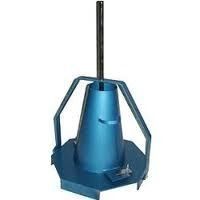

Price:
- 50
- 100
- 200
- 250
- 500
- 1000+

More Products in Soil Purpose Equipment Category
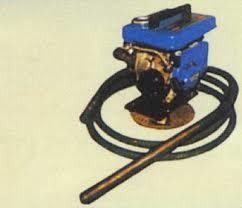
Needle Vibrator
Price 107 INR / Unit
Minimum Order Quantity : 1 Unit
Usage : Construction, Concrete Compaction
Color : Blue And Black
Product Type : Needle Vibrator
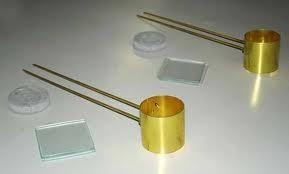
Le Chatelier Mould
Price 100 INR / Piece
Minimum Order Quantity : 1 Piece
Usage : Laboratory
Color : Golden
Material : Brass
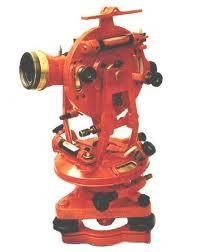
Transit Vernier Theodolite
Price 117 INR / Unit
Minimum Order Quantity : 1 Unit
Usage : Alignment of lines
Color : Red
Product Type : Vernier Theodolite
Material : Mild Steel

GST : 06ALAPA6623N1Z8

- 4537/1 A, Bldg. 13, Deepak Market, Ist Ambala - 133001, Haryana, India
- Phone : 08045478393
- Export Import Code (IEC code) - 3312001811
SSI No. - 060021100476

- Mr Sahil Aggarwal (GENERAL MANAGER)
- Mobile : 08045478393

|



Developed and Managed by Infocom Network Private Limited.
