




 Send Inquiry
Thin Layer Chromatograph
Price 140 INR/ Unit
MOQ : 1 Unit
Thin Layer Chromatograph Specification
- Material
- stainless steel
- Color
- Silver And White
- Voltage
- 220 Volt (v)
- Usage
- Laboratory
- Product Type
- Chromatograph
- Glass Plate Material
- Borosilicate glass
- Sample Applicator Type
- Microsyringe or capillary
- Number of Samples per Run
- Up to 10
- Max Plate Size
- 20 x 20 cm
- Chamber Type
- Rectangular glass chamber
- Surface Finish
- Polished
- Lamp Type
- UV (254 nm and 365 nm)
Thin Layer Chromatograph Trade Information
- Minimum Order Quantity
- 1 Unit
- Payment Terms
- Cash in Advance (CID), Cash Advance (CA)
- Supply Ability
- 1000 Units Per Week
- Delivery Time
- 1 Week
- Sample Available
- Yes
- Sample Policy
- Sample costs shipping and taxes has to be paid by the buyer
- Main Export Market(s)
- Western Europe, Australia, South America, Eastern Europe, Middle East, Central America, Asia, North America, Africa
- Main Domestic Market
- All India
Thin Layer Chromatograph About
Thin Layer Chromatograph Apparatus(T.L.C):- this unit is based on Desaga German pattern having movable applicator with in built thickness arrangement between 0 to 2mm have the following components:- (a) Spreader (Applicator) made of electroplated brass. (b) Perspex base size 114*23cm to support 5 glass plates of size 20*20cm and 2 plates of 20*5cm. (c) Plate Rack Alluminium for ten 20*20cm plates. (d) Spotting Tem plate Perspex. (e) Developing tank with lid. (f) T.L.c plates set 20*20cm or 20*10cm. (g) Micro -pipette. (h) Scriber for making lines. (i) Glass sprayer with rubber bellow. (j) Instrument manual. (B) It is same as above but the applicator is made of anodised alluminum.High-Capacity, Versatile Performance
This Thin Layer Chromatograph is engineered for laboratories needing quick, reliable compound separation across multiple samples. It supports up to 10 samples per run and accommodates plates as large as 20 x 20 cm, allowing for versatile experimental designs and increased productivity. The use of borosilicate glass ensures excellent chemical resistance and durability, making it suitable for repeated laboratory use.
Efficient Visualization with Dual UV Lamps
Equipped with both 254 nm and 365 nm UV lamps, the instrument enables clear visualization of separated compounds. This dual-lamp feature ensures compatibility with a broad range of chemical and biological samples, enhancing experimental accuracy and interpretation. The polished stainless steel finish adds to its ease of maintenance and laboratory appeal.
FAQs of Thin Layer Chromatograph:
Q: How does the Thin Layer Chromatograph work for compound separation?
A: The Thin Layer Chromatograph operates by allowing samples to be applied onto a borosilicate glass plate. As the solvent moves up the plate within the glass chamber, components in the sample separate based on their chemical properties, enabling clear identification after visualization with the integrated UV lamps.Q: What types of samples can be analyzed with this chromatograph?
A: This instrument is versatile and can be used to analyze organic compounds, plant extracts, pharmaceuticals, and other chemical mixtures commonly studied in laboratories. Its compatibility with both microsyringe and capillary sample applicators enhances its utility.Q: When should I use the dual UV lamps during the process?
A: The dual UV lamps (254 nm and 365 nm) should be used after sample development, once the plate is removed from the chamber and dried. The different wavelengths allow for visualization of a wide range of compounds that may fluoresce or absorb differently under UV light.Q: Where is this Thin Layer Chromatograph typically used?
A: This chromatograph is primarily utilized in research institutions, pharmaceutical labs, educational laboratories, and chemical analysis facilities due to its robust construction and efficient sample handling capacity.Q: What is the correct process for applying samples and running a chromatographic analysis?
A: Samples should be delicately applied onto the borosilicate glass plate using a suitable applicator (microsyringe or capillary). The plate is then placed in the chamber containing solvent. After development, the plate is dried and examined under the UV lamps to observe separated bands.Q: What benefits does this chromatograph offer for laboratory workflows?
A: The main benefits include high throughput (up to 10 samples simultaneously), reliable plate size compatibility, precise UV visualization, chemical durability, and streamlined sample application. These features collectively support efficient, accurate, and repeatable analyses suitable for a range of laboratory settings.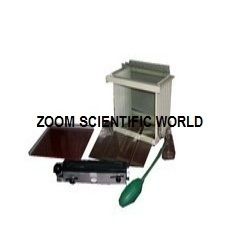
Tell us about your requirement

Price:
Quantity
Select Unit
- 50
- 100
- 200
- 250
- 500
- 1000+
Additional detail
Mobile number
Email

More Products in Scientific Product Category
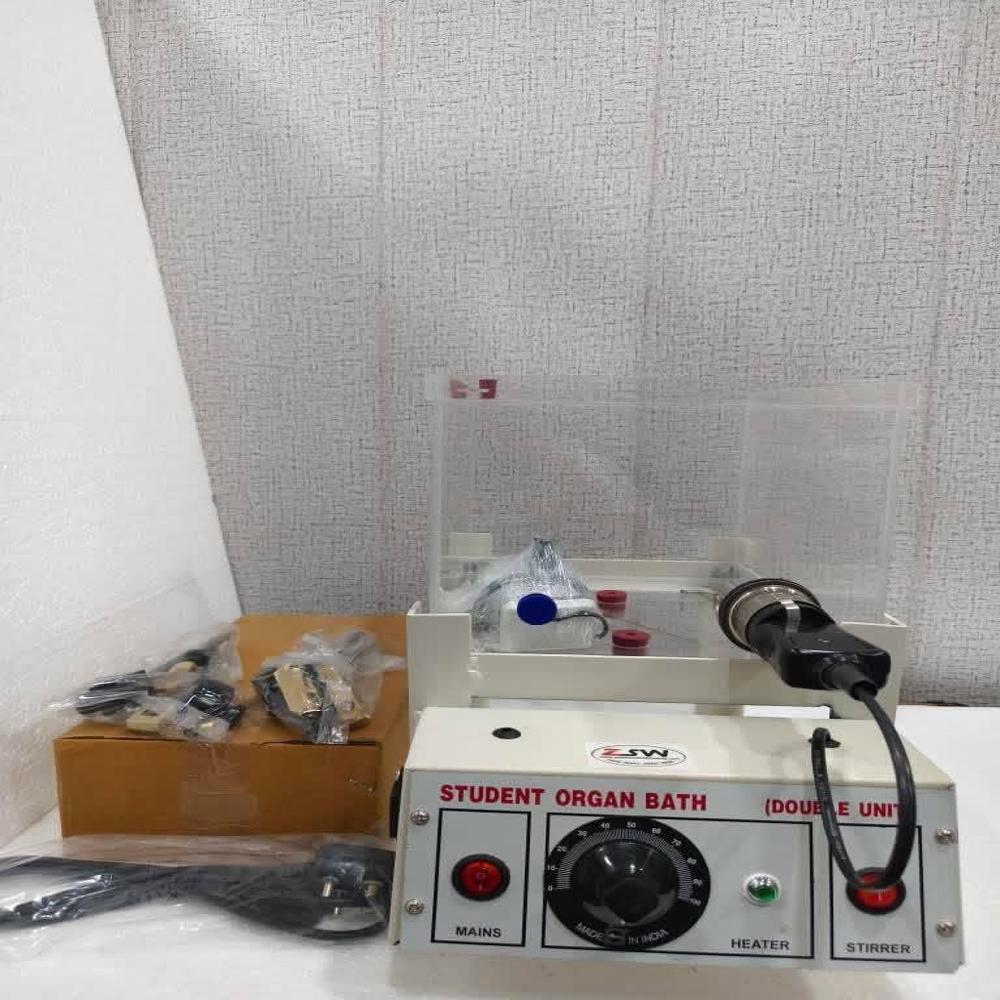
Double Unit Organ Bath
Price 3850.0 INR / Unit
Minimum Order Quantity : 1 Unit
Product Type : Unit Organ Bath
Usage : Laboratory
Material : Mild Steel And transparent
Color : Transparent And White
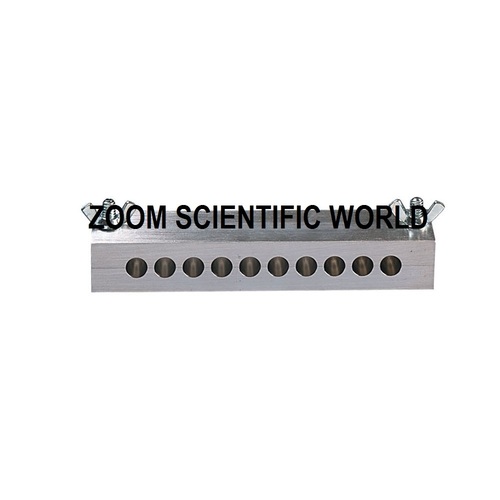
Suppository Moulds
Price 380.0 INR / Piece
Minimum Order Quantity : 1 Piece
Product Type : Suppository Moulds
Usage : Laboratory
Material : Stainless Steel
Color : Silver
Pestle And Mortar
Price 105 INR / Piece
Minimum Order Quantity : 1 Piece
Product Type : Pestle
Usage : Laboratory
Material : Glass
Color : Transparent
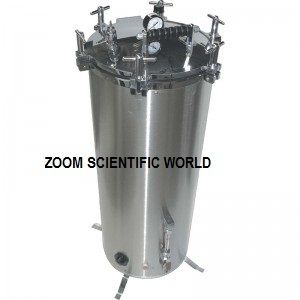
Autoclave
Price 121 INR / Unit
Minimum Order Quantity : 1 Unit
Product Type : Autoclave
Usage : Laboratory, Hospital
Material : Stainless Steel
Color : Silver

ZOOM SCIENTIFIC WORLD
GST : 06ALAPA6623N1Z8
GST : 06ALAPA6623N1Z8
Contact Details

- 4537/1 A, Bldg. 13, Deepak Market, Ist Ambala - 133001, Haryana, India
- Phone : 08045478393
- Export Import Code (IEC code) - 3312001811
SSI No. - 060021100476

- Mr Sahil Aggarwal (GENERAL MANAGER)
- Mobile : 08045478393

|



ZOOM SCIENTIFIC WORLD
All Rights Reserved.(Terms of Use)
Developed and Managed by Infocom Network Private Limited.
Developed and Managed by Infocom Network Private Limited.
