




 Send Inquiry
Anaerobic Culture Jar
Price 120 INR/ Unit
Anaerobic Culture Jar Specification
- Usage
- Laboratory
- Product Type
- Culture Jar
- Material
- Polycarbonate
- Color
- Transparent
- Capacity
- 3.5 Litre
- Autoclavable
- Yes
- Seal Type
- Silicone rubber gasket
- Maximum Pressure Resistance
- Up to 1.5 kg/cm2
- Suitable for Plate Size
- 90 mm standard Petri plates
Anaerobic Culture Jar Trade Information
- Minimum Order Quantity
- 1 Unit
- Payment Terms
- Cash Advance (CA), Cash in Advance (CID)
- Supply Ability
- 100 Units, Per Week
- Delivery Time
- 1 Week
- Sample Available
- Yes
- Sample Policy
- Sample costs shipping and taxes has to be paid by the buyer
- Main Export Market(s)
- Western Europe, South America, Eastern Europe, Middle East, Central America, Asia, North America, Australia, Africa
- Main Domestic Market
- All India
Anaerobic Culture Jar About
Anaerobic Culture Jar
Transparent Anaerobic Culture Jar of 3.5 lit. capacity which is made of Polycarbonate. The lid of the jar is made of Aluminium Pressure die casting fitted with Pressure valve, Vacuum valve, Safety valve & Compound Pressure cum vaccum gauge, three finger aluminium clamp and sealing "O" ring and Air/Gas chuck.
This is recommended only where inside condition of air of jar is removed thru vacuum pump and CO2 is filled in the jar thru CO2 gas cylinder to generate anaerobic conducting in the jar.
Also Supplied with Plain aluminium Pressure die casted lid which can be fitted when readymade gas packs are used to generate the anaerobic conditions inside the jar.
Supply as above and completed with following accessories
Petri Plate Carrier, Stainless steel, for 10 petri Dishes.
Test Tube Carrier, Stainless Steel.
Optional consumables at extra cost :
Anaerobic Indicator, Box of 10 Tablets.
Anaerobic Gas Pack,Price per packet of 5 sachets.
Spare parts at extra cost :
Silicon Ring For
Petri Plate Carrier, stainless Steel,for 10 Petri Dishes
Test Tube Carrier, Stainless Steel
Robust Construction for Repeat Use
Crafted from high-quality polycarbonate, this anaerobic culture jar is both transparent and exceptionally durable. Its resilience allows for repeated autoclaving, ensuring long-term usability and sustained performance. The clear material allows for easy observation of culture development without disrupting the anaerobic environment, a critical advantage for efficient laboratory work.
Reliable Sealing and Pressure Resistance
A precision-engineered silicone rubber gasket ensures airtight closure, which is fundamental to maintaining anaerobic conditions during microbial cultivation. The jar can safely withstand internal pressures up to 1.5 kg/cm, making it suitable for standard laboratory applications involving the incubation of oxygen-sensitive organisms.
Versatile Laboratory Applications
Designed specifically for 90 mm standard Petri plates, the jar is suitable for microbiological, clinical, and educational analyses. Its user-friendly design and autoclavability support a variety of research purposes, ranging from bacterial identification to drug resistance testing under strict anaerobic conditions.
FAQs of Anaerobic Culture Jar:
Q: How does the Anaerobic Culture Jar create and maintain an oxygen-free environment?
A: The jar relies on an airtight seal provided by a silicone rubber gasket. Anaerobic gas-generating sachets or systems are placed inside to remove residual oxygen, establishing an anaerobic environment optimal for cultivating oxygen-sensitive bacteria.Q: What samples and plates are compatible with this culture jar?
A: This jar is specifically designed to accommodate 90 mm standard Petri plates, which are commonly used for cultivating bacteria and other microorganisms in laboratory settings.Q: When should I autoclave the anaerobic culture jar?
A: The jar should be autoclaved before and after use to ensure sterility. Its polycarbonate construction and silicone rubber gasket are fully autoclavable, supporting standard laboratory sterilization procedures.Q: Where is this jar typically used?
A: Anaerobic culture jars are commonly found in microbiology, clinical, research, and educational laboratories, where strict anaerobic conditions are needed to grow and study bacteria that cannot survive in the presence of oxygen.Q: What is the maximum pressure the jar can withstand during use?
A: The jar can safely handle internal pressures up to 1.5 kg/cm, making it suitable for standard anaerobic cultivation procedures and pressure variations during gas generation.Q: How do I ensure proper sealing of the jar during the process?
A: To ensure a proper seal, check that the silicone rubber gasket is positioned correctly and free from debris. Secure the lid firmly before starting the anaerobic generation process. Regularly inspect the gasket for any signs of wear.Q: What are the main benefits of using a polycarbonate culture jar in the lab?
A: Polycarbonate offers excellent durability, impact resistance, and clarity, allowing for safe, repeated sterilization in an autoclave. Its transparency permits easy observation of cultures, minimizing the risk of contaminating the contents during checks.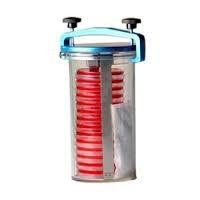

Price:
- 50
- 100
- 200
- 250
- 500
- 1000+

More Products in Scientific Product Category
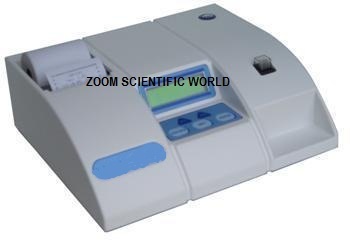
Haemoglobinometer
Price 118 INR / Unit
Minimum Order Quantity : 1 Unit
Product Type : Haemoglobinometer
Color : White
Voltage : 120 to 220 Volt (v)
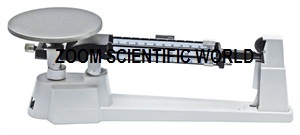
Tripple Beam Balances
Price 107 INR / Unit
Minimum Order Quantity : 1 Unit
Product Type : Tripple Beam
Color : White
Material : Cast iron
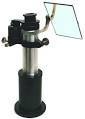
CAMERA LUCIDA MIRROR TYPE
Price 117 INR / Unit
Minimum Order Quantity : 1 , Unit
Product Type : Lucida
Color : Silver And Black
Voltage : 110220 Volt (v)
Material : Optical Glass
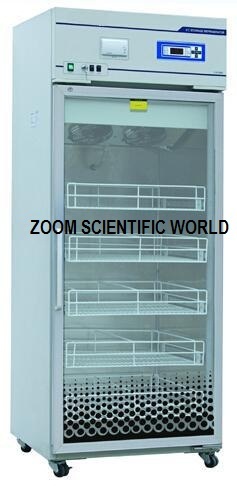
Blood Bank Freezers (Economy Model)
Price 121 INR / Unit
Minimum Order Quantity : 1 , , Unit
Product Type : Freezers
Color : Gray
Voltage : 110220 Volt (v)
Material : Stainless Steel

GST : 06ALAPA6623N1Z8

- 4537/1 A, Bldg. 13, Deepak Market, Ist Ambala - 133001, Haryana, India
- Phone : 08045478393
- Export Import Code (IEC code) - 3312001811
SSI No. - 060021100476

- Mr Sahil Aggarwal (GENERAL MANAGER)
- Mobile : 08045478393

|



Developed and Managed by Infocom Network Private Limited.
