




 Send Inquiry
Aniline Point Apparatus
Price 10 INR/ Piece
MOQ : 1 , Piece
Aniline Point Apparatus Specification
- Usage
- labortory
- Product Type
- Apparatus
- Weight
- 10-40 Grams (g)
- Color
- Transparent
- Material
- Glass
- Test Flask Capacity
- 100 ml
- Safety
- Heat resistant glassware, stable base
- Sample Compatibility
- Petroleum products
- Operation
- Manually controlled
- Thermometer Included
- Range up to 110C
- Heat Source
- Electric heating
Aniline Point Apparatus Trade Information
- Minimum Order Quantity
- 1 , Piece
- Payment Terms
- Cash Advance (CA), Cash in Advance (CID)
- Supply Ability
- 1000 Pieces Per Week
- Delivery Time
- 1 Week
- Sample Available
- Yes
- Sample Policy
- Sample costs shipping and taxes has to be paid by the buyer
- Main Export Market(s)
- Western Europe, Middle East, Central America, Eastern Europe, South America, Asia, North America, Australia, Africa
- Main Domestic Market
- All India
Aniline Point Apparatus About
Aniline Point Apparatus:- Four Methods of determining the aniline point are described of which method A is suitable for most petroleum products.Methods B & C are for petroleum sprits which vapourise appreciable at the Aniline point & D is for Petroleum products which are too dark for testing by method A.Efficient Laboratory Testing
Designed for precise measurement of the aniline point in petroleum samples, this apparatus is tailored for laboratories needing reliable and repeatable results. Its construction from high-quality glass ensures durability and safety during thermal processes, while the straightforward manual operation supports easy use in routine quality control procedures.
Safety and Compatibility
With safety prioritized, all glassware is heat resistant and the structure includes a stable base for secure operation. The apparatus is compatible with various petroleum-based samples, making it versatile for different laboratory applications and research needs.
Simple Operation and Reliable Results
Manual control allows for user-friendly testing, while the integrated thermometer (up to 110C) facilitates precise temperature monitoring. The 100 ml test flask provides optimal volume for most analyses, ensuring accurate and consistent results for researchers and analysts.
FAQs of Aniline Point Apparatus:
Q: How do I use the Aniline Point Apparatus for testing petroleum products?
A: To use the Aniline Point Apparatus, introduce a 100 ml petroleum sample into the provided test flask, add aniline according to standard procedure, and use the electric heating element to gradually heat the mixture. Monitor the temperature with the built-in thermometer and follow the process until the point at which both liquids become completely miscible, recording this as the aniline point.Q: What types of samples can be analyzed with this apparatus?
A: The Aniline Point Apparatus is designed specifically for use with petroleum products, including fuels, solvents, and lubricants. It efficiently determines the aniline point for these samples, which is critical for assessing their properties and quality.Q: When should the aniline point of a petroleum sample be measured?
A: Measuring the aniline point is essential when assessing the aromatic content of petroleum samples during research, product development, or quality control processes. This test is typically performed before approving materials for industrial use or further formulation.Q: Where is this equipment commonly used?
A: The apparatus is widely employed in chemical, petroleum, and fuel laboratories, especially in quality control, research, and educational settings across India and other exporting regions.Q: What is the process for heating and temperature monitoring during the test?
A: Heating is provided by an electric source, offering controlled and consistent heat application. A thermometer with a range up to 110C allows for accurate real-time monitoring and ensures the mixture reaches the proper temperature for the test.Q: Are there any safety benefits associated with this apparatus?
A: Yes, the apparatus is constructed from heat resistant glass to handle high temperatures safely. The stable base adds to operational safety, making it ideal for laboratories where user protection is vital.Q: What are the main benefits of determining the aniline point using this apparatus?
A: Measuring the aniline point helps evaluate the aromaticity of petroleum products, which influences performance characteristics like solubility and combustibility. Using this apparatus ensures reliable results for decisions in product specification, development, and regulatory compliance.
Tell us about your requirement

Price:
Quantity
Select Unit
- 50
- 100
- 200
- 250
- 500
- 1000+
Additional detail
Mobile number
Email

More Products in Oil & Petroleum Testing Instruments Category
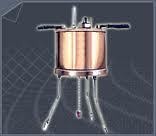
Saybolt Viscometer
Price 140 INR / Unit
Minimum Order Quantity : 1 , Unit
Color : Golden
Material : Mild Steel
Product Type : Viscometer
Usage : labortory
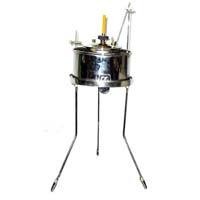
Engler Viscometer Apparatus
Price 140 INR / Unit
Minimum Order Quantity : 1 Unit
Color : Silver
Material : Stainless Steel
Product Type : Viscometer Apparatus
Usage : Laboratory

Whirling Hygrometer
Price 10 INR / Piece
Minimum Order Quantity : 1 , Piece
Color : Yellow
Material : Pinewood frame
Product Type : Hygrometer
Usage : Pharmaceutical
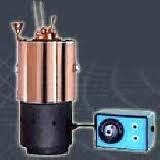
Abel's Flash Point Apparatus
Price 120 INR / Unit
Minimum Order Quantity : 1 Unit
Color : Brown And Sky Blue
Material : Stainless Steel
Product Type : Apparatus
Usage : labortory

ZOOM SCIENTIFIC WORLD
GST : 06ALAPA6623N1Z8
GST : 06ALAPA6623N1Z8
Contact Details

- 4537/1 A, Bldg. 13, Deepak Market, Ist Ambala - 133001, Haryana, India
- Phone : 08045478393
- Export Import Code (IEC code) - 3312001811
SSI No. - 060021100476

- Mr Sahil Aggarwal (GENERAL MANAGER)
- Mobile : 08045478393

|



ZOOM SCIENTIFIC WORLD
All Rights Reserved.(Terms of Use)
Developed and Managed by Infocom Network Private Limited.
Developed and Managed by Infocom Network Private Limited.
