




 Send Inquiry
Charles Law Apparatus
Charles Law Apparatus Specification
- Model No
- CLA-4814
- Power Source
- Manual
- Accuracy
- ±1°C (Temperature), ±1 mL (Volume)
- Feature
- Simple assembly, easy observation
- Temperature Range
- 0°C to 100°C
- Measurement Range
- 10 mL to 100 mL
- Automation Grade
- Manual
- Capacity
- 100 mL
- Core Components
- Capillary tube, Water bath, Scale
- Equipment Materials
- Borosilicate glass, Metal stand, Rubber stopper
- Type
- Educational Laboratory Apparatus
- Usage
- Demonstration of Charless Law
- Display Type
- Analog scale
- Dimension (L*W*H)
- 250 x 100 x 100 mm
- Weight
- Approx. 500 grams
- Mounting Type
- Tabletop/benchtop with anti-slip feet
- Packing
- Individually packed in foam box
- Stand Material
- Powder coated metal
- Safety Feature
- Heat-resistant components, rounded tube edges
- Tube Bore Diameter
- 6 mm (inner diameter)
- Scale Graduation
- Every 1 ml
- Water Bath Capacity
- Approx. 1 Liter
- Compliance
- Meets standard school lab safety requirements
- Thermometer Range
- -10C to 110C (mercury/spirit thermometer)
Charles Law Apparatus Trade Information
- Main Domestic Market
- All India
- Certifications
- ISO 9001: 2015 CE Certified CO.
Charles Law Apparatus About
Zoom is a esteemed manufacturer and manufacturer.It has all types of lab equipments and microscope.A glass U tube, 15 mm dia, with one limb plain 220 mm long and other limb graduated 25 to 35 x 0.2 ml, 120 mm long terminating in a bulb 38 mm diameter, with third limb 185 x 6 mm (L x D) joined at right angles to the plane of the other two, short length of glass tubing mounted in end of wide bore plain limb with rubber bung, a piece of rubber tube and a pinch clip..
Supplied with tall form beaker 1000 ml and stirrer. 30 ml mercury is required. Supplied without mercury and without thermometer.
Comprehensive Educational Tool
This apparatus is specifically designed for classroom and lab demonstrations of Charless Law, enabling students to visualize the relationship between temperature and gas volume. Its precise analog scale and high-quality thermometer ensure reliable measurements, making it an indispensable resource for hands-on learning.
Built for Safety and Durability
Featuring a stand made from powder-coated metal and components made of borosilicate glass, this apparatus prioritizes durability. Heat-resistant materials, smooth tube edges, and individually foam-packed units meet school safety standards and protect both equipment and users during transit and use.
Simple Assembly and Operation
The apparatus is designed for straightforward setup on any benchtop or table, with anti-slip feet ensuring stability. Manual operation and clear analog displays facilitate easy observation of experimental results, allowing teachers and students to focus on learning instead of troubleshooting complex equipment.
FAQs of Charles Law Apparatus:
Q: How is the Charles Law Apparatus with Thermometer operated during laboratory experiments?
A: The apparatus functions manually. You fill the water bath (approx. 1 liter capacity) and immerse the borosilicate glass tube, ensuring the rubber stopper fits securely. As you heat or cool the water, you observe the change in gas volume within the tube using the analog scale and record the corresponding temperature with the thermometer.Q: What safety features are included in this Charles Law Apparatus?
A: The apparatus incorporates heat-resistant components, rounded tube edges, and a sturdy powder-coated metal stand. Additionally, each unit is individually packed in a foam box for protection during transportation and meets standard school laboratory safety requirements.Q: When should this apparatus be used in a classroom setting?
A: This apparatus is best used during physics or chemistry lessons focusing on gas laws, specifically Charless Law. It allows students to witness the direct relationship between temperature and volume of a gas, thereby reinforcing theoretical concepts through practical demonstration.Q: Where can this educational apparatus be conveniently set up for demonstrations?
A: Its compact dimensions (250 x 100 x 100 mm) and anti-slip feet make it suitable for any benchtop or tabletop in a laboratory or classroom environment. The anti-slip feature ensures stability during use, enhancing safety and ease of observation.Q: What are the main benefits of using this Charles Law Apparatus in a lab?
A: This device provides clear, accurate, and hands-on visualization of Charless Law. Its simple setup, precise measurement (1C, 1 mL accuracy), and durable construction foster student engagement and comprehension, making it ideal for reinforcing scientific principles and fostering interactive learning.Q: How accurate are the measurements with this apparatus, and what are the display and measurement ranges?
A: The analog scale offers graduations every 1 mL and is accurate to 1 mL for volume. The thermometer covers -10C to 110C (accuracy 1C), allowing measurements within a water bath range of 0C to 100C and volume measurements from 10 mL to 100 mL.Q: What is the assembly process for this apparatus?
A: Assembly is straightforward: place the apparatus on a stable benchtop, set up the stand, fix the capillary tube with the rubber stopper, and fill the water bath. No electrical power is needed, and observation is conducted manually, making setup simple and efficient for classroom use.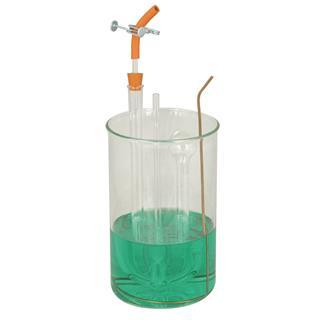

Price:
- 50
- 100
- 200
- 250
- 500
- 1000+

More Products in Physics Lab Equipment Category
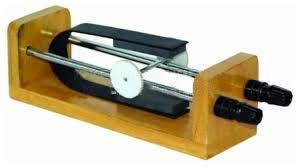
Magnetic Field Apparatus
Price 105 INR / Piece
Minimum Order Quantity : 1 Piece
Usage : Demonstrating the direction and strength of magnetic fields around a conductor
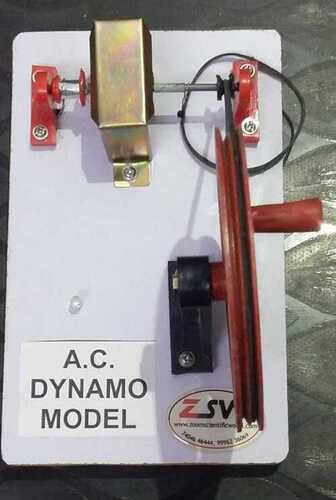
AC Dynamo Model
Price 580.0 INR / Piece
Minimum Order Quantity : 1 Piece
Usage : Laboratory
Material : Brass, nickel plated
Product Type : Bicycle
Color : Silver And Black
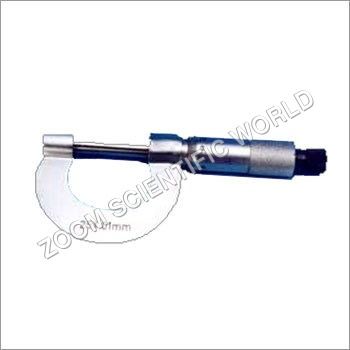
Micrometer Screw Gauge
Price 120 INR / Piece
Minimum Order Quantity : 1 Piece
Material : Mild Steel
Product Type : Screw Gauge
Color : Silver

Rod Perspex
Price 104 INR / Piece
Minimum Order Quantity : 1 Piece
Usage : Chemical Laboratory
Material : Borosilicate Glass
Product Type : Rod
Color : Tranparent

GST : 06ALAPA6623N1Z8

- 4537/1 A, Bldg. 13, Deepak Market, Ist Ambala - 133001, Haryana, India
- Phone : 08045478393
- Export Import Code (IEC code) - 3312001811
SSI No. - 060021100476

- Mr Sahil Aggarwal (GENERAL MANAGER)
- Mobile : 08045478393

|



Developed and Managed by Infocom Network Private Limited.
