




 Send Inquiry
Electrophoresis Horizontal
Price 120 INR/ Unit
Electrophoresis Horizontal Specification
- Color
- Transparent
- Material
- Acrylic
- Usage
- Laboratory
- Product Type
- Electrophoresis Horizontal
- Dimension (L*W*H)
- 30 x 30 x 13 Millimeter (mm)
- Maintenance
- Easy to clean and assemble
- Maximum Output Voltage
- Up to 300V
- Electrode Material
- Platinum
- Buffer Solutions
- Recommended: TAE or TBE
- Environmental Conditions
- Operating Temperature 15-40C, humidity <85% RH
- Drip-proof Design
- Yes
- Lid Locks
- Integrated safety lid locks
- Sample Capacity
- 10-24 samples per run
- Compatible Applications
- Agarose/Polyacrylamide Gel Electrophoresis
Electrophoresis Horizontal Trade Information
- Minimum Order Quantity
- 1 Unit
- Payment Terms
- Cash in Advance (CID), Cash Advance (CA)
- Supply Ability
- 100 Units, Per Week
- Delivery Time
- 1 Week
- Sample Available
- Yes
- Sample Policy
- Sample costs shipping and taxes has to be paid by the buyer
- Main Export Market(s)
- Western Europe, Middle East, Central America, Eastern Europe, South America, Asia, North America, Australia, Africa
- Main Domestic Market
- All India
Electrophoresis Horizontal About
Electrophoresis Horizontal - Mini:-
It is required in biotechnology, Monocular Biology applications in colleges, Universities, Research Institutes.
It is meant for Nucleic Acid (DNA-RNA) characterization.
These are also called Submarine Electro-phoresis Unit/Agrose Gel/Poly Acrylamide Gel Electrophoresis (Mini size)
The unit is jointless, mouled of transparent polycarbonate to avoid leakage.
The unit includes buffer chamber, safety lid with cables. and following standard accessories.
| Comb 9 Wells - 10 Teeths | (Set of 2 Pcs.) |
| Comb 11 Wells - 12 Teeths | (Set of 2 Pcs.) |
| Comb 13 Wells - 14 Teeths | (Set of 5 Pcs.) |
| Casting Tray, Size 10x7 cm | (Set of 2 Pcs.) |
| Casting Tray, Size 7x7 cm | (Set of 2 Pcs.) |
| Electrode Set | (Set of 2 Pcs.) |
Reliable Separation Performance
This horizontal electrophoresis system provides robust separation of nucleic acids and proteins, supporting both agarose and polyacrylamide gel formats. Its platinum electrodes ensure consistent electrical efficiency throughout every run. Engineered for clarity, its transparent acrylic allows easy inspection while in operation.
Enhanced Safety and Simple Operation
Equipped with safety lid locks, the system protects users from accidental exposure to high-voltage power supplies. Assembly and cleaning are simple, enabling quick setup and turnover. The unit accommodates 1024 samples per run, ideal for routine laboratory work.
Optimized for Laboratory Environments
Designed with laboratory safety and usability in mind, the system functions best within operating temperatures of 1540C and relative humidity below 85%. Maintenance is minimal, while the recommended buffer solutions ensure high-resolution results for research and diagnostic applications.
FAQs of Electrophoresis Horizontal:
Q: How do I properly set up the Electrophoresis Horizontal system for use?
A: Begin by assembling the acrylic tank and inserting the platinum electrodes. Prepare your gel tray with agarose or polyacrylamide gel, add the appropriate buffer (TAE or TBE), and load the samples. Secure the safety lid locks before connecting the device to a power supply.Q: What types of samples can be processed with this electrophoresis system?
A: The system supports separation of nucleic acids and proteins, mainly using agarose or polyacrylamide gels, and is compatible with 1024 samples per run, making it suitable for molecular biology, genetics, or diagnostic laboratory applications.Q: When should I perform maintenance or cleaning on the unit?
A: It is recommended to clean the acrylic surfaces and gel tray immediately after each use, before residue can harden. Assembly and disassembly are designed to be quick, and routine inspection for electrode condition and system integrity is advised monthly.Q: Where can I use the Electrophoresis Horizontal device successfully?
A: This unit is optimized for laboratory environments, operating effectively between 1540C with humidity below 85% RH. Ensure the workspace is equipped with required buffer solutions and safety protocols before running experiments.Q: What are the main benefits of using platinum electrodes in this system?
A: Platinum electrodes provide stable conductivity, resulting in consistent and reproducible electrophoretic separation. Their corrosion resistance also reduces maintenance needs and extends system lifespan.Q: Which buffer solutions are recommended for use with the tank?
A: TAE and TBE buffer solutions are recommended for optimal separation performance and gel stability during electrophoresis runs.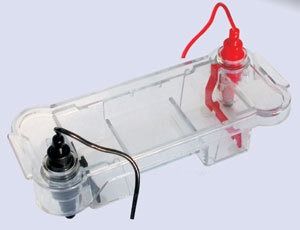

Price:
- 50
- 100
- 200
- 250
- 500
- 1000+

More Products in Scientific Product Category
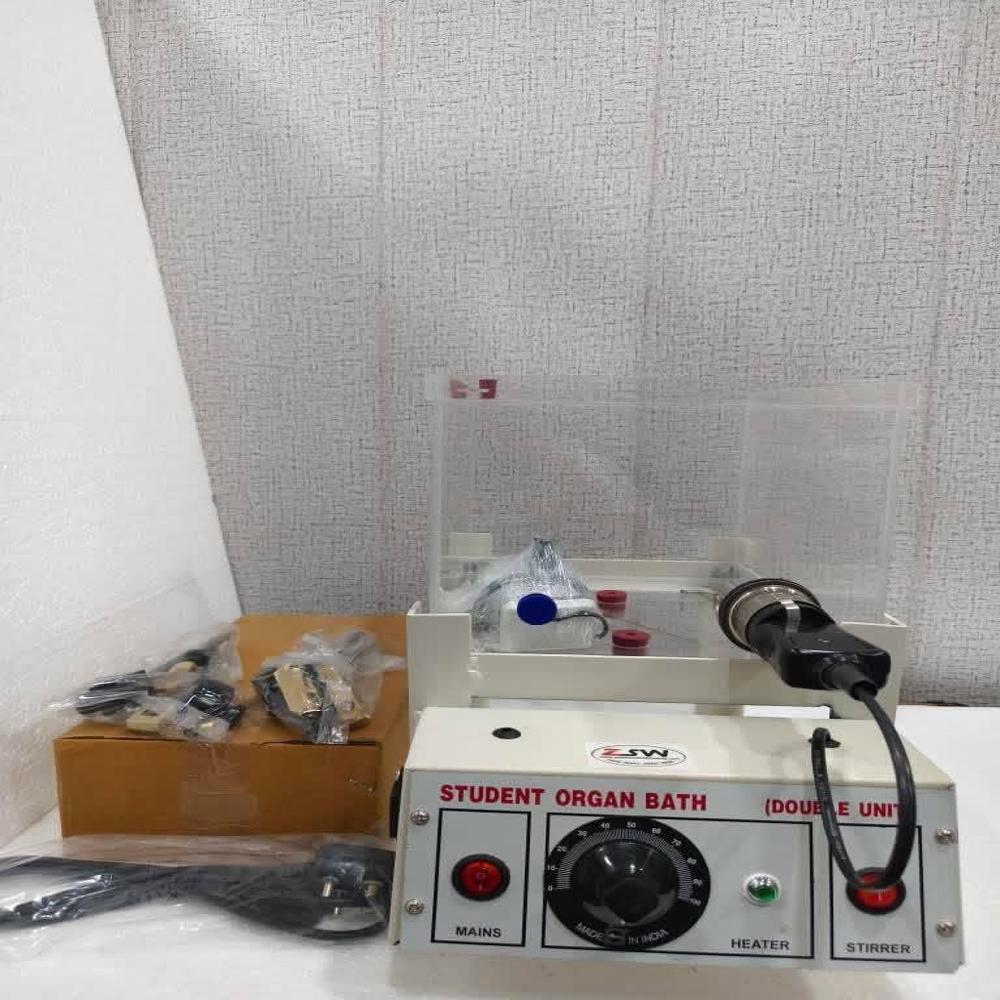
Double Unit Organ Bath
Price 3850.0 INR / Unit
Minimum Order Quantity : 1 Unit
Material : Mild Steel And transparent
Color : Transparent And White
Product Type : Unit Organ Bath
Voltage : 110215 Volt (v)
Disintegrator
Price 120 INR / Unit
Minimum Order Quantity : 1 Unit
Material : Mild Steel
Color : Black And White
Product Type : Disintegrator
Voltage : 110220 Volt (v)
Water Bath Thermostatic
Price 120 INR / Piece
Minimum Order Quantity : 1 Unit
Material : Stainless Steel
Color : White
Product Type : Thermostatic
Voltage : 220 Volt (v)

Polarimeter
Price 104 INR / Unit
Minimum Order Quantity : 1 Unit
Material : Stainless Steel
Color : Black
Product Type : Polarimeter

GST : 06ALAPA6623N1Z8

- 4537/1 A, Bldg. 13, Deepak Market, Ist Ambala - 133001, Haryana, India
- Phone : 08045478393
- Export Import Code (IEC code) - 3312001811
SSI No. - 060021100476

- Mr Sahil Aggarwal (GENERAL MANAGER)
- Mobile : 08045478393

|



Developed and Managed by Infocom Network Private Limited.
