




 Send Inquiry
Suppository Molds
Price 275 INR/ Piece
Suppository Molds Specification
- Control Type
- Manual
- Features
- High Quality
- Material
- Plastic & Glass
- Application
- Laboratory
- Color
- Transparent or translucent
- Reusable
- Yes
- Packaging Type
- Individual box
- Sterilization Method
- Autoclavable
- Compliance
- Meets laboratory standards
- Usage
- Pharmaceutical, laboratory medicine preparation
- No. of Cavities
- Typically 24 per mold
Suppository Molds About
Outfitted with ultra modern machinery and equipment, we are in the business of manufacturing and supplying an exclusive range of Suppository Molds. These molds are designed under the firm direction of the expert professionals using high quality materials. Our quality analysts check the molds on certain quality parameters to provide a flawless range to the clients. We offer our Suppository Molds at the market leading price and deliver to the clients within the committed time frame. Experience the convenience and precision offered by our Suppository Molds. Made from high-grade materials, these molds offer a reliable and cost-effective way to create exact suppository shapes, exact doses, and perfect dosage forms to meet your needs. Our molds are also easy to clean and store, and are suitable for use in medical, pharmaceutical, and scientific laboratories. With our Suppository Molds, you can have the confidence that your medications will be poured to exact doses and give you the best possible results.
Features:
-
Long service life
-
Easy to use
-
Light in weight
Further Details:
The Suppository Molds that we offer are used extensively in several applications. These Suppository Molds are reliable and have a long service life. They operate flawlessly every time. Our Suppository Molds are of high quality and are easy to use. The Suppository Molds are quality tested at every stage to ensure that they conform to the Industry standards.
Applications
-
In pharmaceuticals
-
In compounding
Reliable and Reusable Laboratory Equipment
Crafted from durable plastic and glass, these suppository molds are ideal for repeated laboratory and pharmaceutical use. Their solid construction ensures longevity, and their design allows for easy cleaning and sterilization, making them a cost-effective choice for both research and production environments. The standard 24-cavity layout allows you to prepare multiple uniform samples efficiently, saving valuable time during the compounding process.
Designed for Precision and Ease of Use
With compliance to recognized laboratory standards, these suppository molds support precise preparation for pharmaceutical applications. The translucent or transparent material lets you visually monitor filling levels, reducing errors during formulation. Their compatibility with autoclavable processes further streamlines workflow, ensuring both sterility and quality in each batch prepared.
FAQs of Suppository Molds:
Q: How do I use suppository molds in a laboratory setting?
A: To use suppository molds, pour the prepared and melted suppository base into each cavity while ensuring equal fill levels for uniform dosage. Allow the product to solidify, then carefully remove each suppository. The process can be repeated as needed due to the molds reusable nature.Q: What are the main materials used in these suppository molds, and why?
A: These molds are made from high-quality plastic and glass, chosen for their chemical resistance, transparency or translucency, and durability. This allows for easy observation of the filling process and ensures a long service life through repeated use and autoclaving.Q: When and where are suppository molds typically utilized?
A: Suppository molds are commonly used in pharmaceutical laboratories, research centers, and compounding pharmacies. They are particularly valuable during the formulation and testing stages of medication development, as well as for educational laboratory exercises requiring precise sample preparation.Q: What is the cleaning and sterilization process for these molds?
A: After use, suppository molds should be thoroughly washed with suitable cleaning agents, rinsed, and then sterilizedpreferably by autoclavingaccording to laboratory protocols. This process ensures that the molds remain free of contaminants and ready for safe repeat use.Q: What are the benefits of using reusable suppository molds?
A: Reusable suppository molds offer cost-effectiveness, sustainability, and consistent performance through repeated laboratory cycles. Their design ensures accurate, uniform dosage, while their durability reduces frequent replacement and waste in laboratory settings.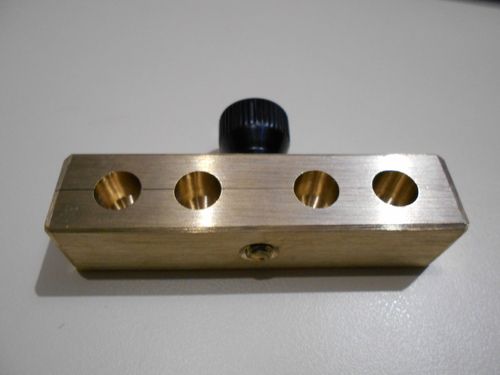

Price:
- 50
- 100
- 200
- 250
- 500
- 1000+

More Products in Pharmaceutical Lab Equipment Category
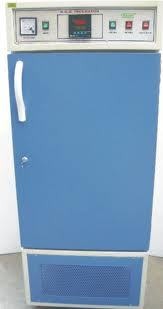
B.O.D Incubator
Price 12500 INR / Piece
Minimum Order Quantity : 1 Piece
Features : High temperature accuracy timerbased automation selfregulation
Control Type : Microprocessorbased PID Controller
Material : Stainless Steel and Mild Steel
Application : Biological Oxygen Demand Testing laboratory incubation processes
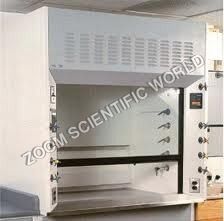
Fume Hood
Price 58500.0 INR / Piece
Minimum Order Quantity : 1 Piece
Features : Chemical resistant, Efficient airflow, Internal lighting, Gas & water taps
Control Type : Manual/Toggle Switches
Material : Mild steel structure, FRP coated
Application : Used for Venting Hazardous Fumes and Chemical Vapors in Laboratories
Heating Mantle
Price 1750 INR
Minimum Order Quantity : 10 Units
Features : Efficient thermal insulation, even heat distribution, energy saving
Control Type : Variable rotary knob
Material : Glass fiber heating element and MS outer body
Application : Used for uniform heating of laboratory glassware and liquids
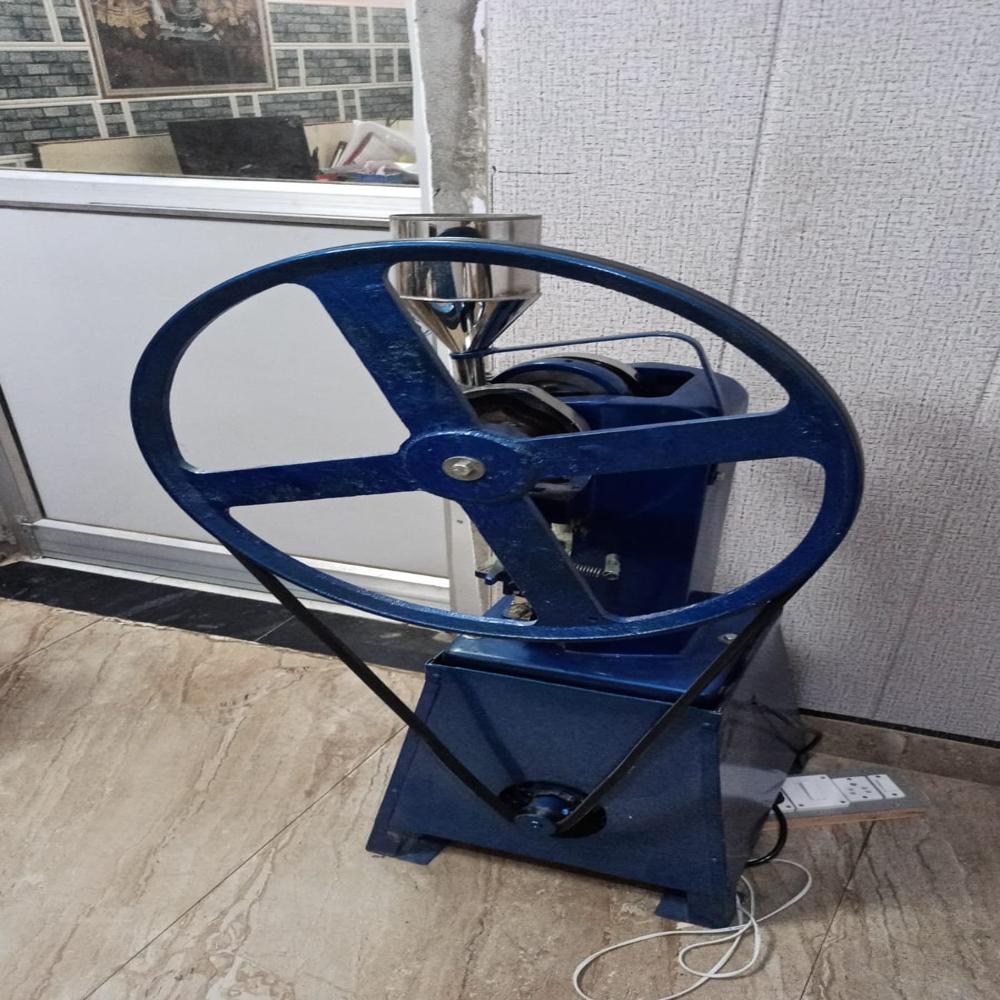
TABLET MAKING MACHINE
Price 36500.0 INR / Number
Minimum Order Quantity : 1 Number
Features : Heavy Duty, Robust Construction, Easy to Operate & Clean, Suitable for Trial/Small Batch Production
Control Type : Manual Lever or Electric Switch (Optional)
Material : Cast Iron & Stainless Steel
Application : Pharmaceuticals, Chemical, R&D Laboratories

GST : 06ALAPA6623N1Z8

- 4537/1 A, Bldg. 13, Deepak Market, Ist Ambala - 133001, Haryana, India
- Phone : 08045478393
- Export Import Code (IEC code) - 3312001811
SSI No. - 060021100476

- Mr Sahil Aggarwal (GENERAL MANAGER)
- Mobile : 08045478393

|



Developed and Managed by Infocom Network Private Limited.
