




 Send Inquiry
Tar Viscometer
Price 150 INR/ Unit
MOQ : 1 , Unit
Tar Viscometer Specification
- Usage
- Laboratory
- Product Type
- Viscometer
- Color
- Silver
- Voltage
- 230 Volt (v)
- Material
- Stainless Steel
- Stirrer Material
- Stainless Steel
- Installation
- Benchtop
- Test Cup Capacity
- 50 ml
- Heating Power Rating
- Up to 500 W
- Test Cup Material
- Brass
- Funnel Type
- Integrated Funnel
- Compliance
- IS 1206, ASTM D490
- Stirrer Type
- Manual
- Stand/Base Type
- Heavy Duty Metal Stand
- End Use
- Bituminous Mixture and Tar Viscosity Testing
Tar Viscometer Trade Information
- Minimum Order Quantity
- 1 , Unit
- Payment Terms
- Cash in Advance (CID), Cash Advance (CA)
- Supply Ability
- 10 Units Per Week
- Delivery Time
- 1 Week
- Sample Available
- Yes
- Sample Policy
- Sample costs shipping and taxes has to be paid by the buyer
- Main Export Market(s)
- Australia, North America, Eastern Europe, Western Europe, Middle East, Africa, Central America, South America, Asia
- Main Domestic Market
- All India
Tar Viscometer About
Determining the Viscosity of cut back Bitumen and road oil. It consists bath with cup of 10mm or 4mm erific and sleeve stirrer with ball lifting clip and ball. The assembly is kept on suitable stand with leveling screws. Suitable to operate on 220 Volts AC mains.- Electric heated (without control)
- Electric heated with separate energy regulator control.
- Electric heated with solid state electronic regulator.
- Electric heated with voltage varric copper coil type.
- Electric Heated with digital temperature controller cum indicator.
- Multiple Tar Viscometer for 6 test cups with thermostat control & FHP electric motor stirrer.
Optional Accessories :
- Spare silver plated orifice cup 10 mm or 4 mm.
- Flask receiver 100 ml capacity.
- Polished carrying wooden case.
- Thermometer 8C.
Precision Viscosity Measurement for Bitumen and Tar
Designed for laboratory usage, the Tar Viscometer delivers highly accurate measurements of bituminous mixture and tar viscosity. Made from stainless steel and brass, its construction ensures both durability and consistent results. Compliance with rigorous IS 1206 and ASTM D490 standards guarantees repeatable, industry-accepted data, essential for material quality checks and research.
Sturdy Construction for Reliable Lab Performance
Built with a heavy-duty metal stand and robust components, this viscometer remains stable during testing, preventing unwanted vibrations or movement. The integrated funnel design aids easy and mess-free sample introduction, while the 50 ml brass cup ensures reliable test volumes. Suitable for benchtop installation, it is ideal for busy laboratory environments.
Trusted Compliance for International Standards
Meeting IS 1206 and ASTM D490 standards, the Tar Viscometer provides results that are globally recognized. Such compliance is vital for laboratories involved in materials certification, asphalt and road testing, and industry-specific research. The confidence in test outcomes supports both domestic and export quality validations.
FAQs of Tar Viscometer:
Q: How do you use the Tar Viscometer in a laboratory setting?
A: To use the Tar Viscometer, install it securely on a benchtop using its heavy-duty metal stand. Preheat the instrument if required, add the tar or bituminous sample into the integrated funnel, and use the 50 ml brass test cup to collect the flow. Operation is straightforward and follows IS 1206 and ASTM D490 protocols for accurate viscosity measurement.Q: What materials can be tested with this Tar Viscometer?
A: The Tar Viscometer is specifically designed for evaluating the viscosity of bituminous mixtures and tar. It can be utilized for testing materials used in road construction, pavement layers, and quality control of bitumen and other similar products as required by IS 1206 and ASTM D490.Q: When should the Tar Viscometer be calibrated or maintained?
A: For consistent accuracy, calibrate the Tar Viscometer in accordance with your laboratorys schedule or after significant use, following standard laboratory procedures. Routine cleaning of the stainless steel and brass components after each test ensures reliable results and long equipment life.Q: Where should the Tar Viscometer be installed in a laboratory?
A: The viscometer is designed for benchtop installation. It should be placed on a stable, vibration-free surface in a well-ventilated laboratory area, allowing safe and easy access to electrical supply (230 Volt) and sufficient workspace for sample handling.Q: What are the benefits of using a standard-compliant Tar Viscometer?
A: Using a viscometer compliant with IS 1206 and ASTM D490 ensures that viscosity measurements meet international norms. This leads to trustworthy data for product validation, research, and quality assurance, and is essential for both domestic and global materials certification.Q: What process does the Tar Viscometer follow to measure viscosity?
A: The viscometer measures viscosity by timing the flow of a specific volume (50 ml) of heated tar or bituminous sample through an orifice, collected in a brass test cup. The flow time, under controlled temperature and using the integrated funnel, directly correlates with the materials viscosity.Q: How does the integrated funnel design enhance sample testing?
A: The integrated funnel in the Tar Viscometer simplifies pouring and minimizes spillage, enabling clean, efficient, and accurate introduction of the sample into the testing chamber. This feature improves both user safety and measurement reliability.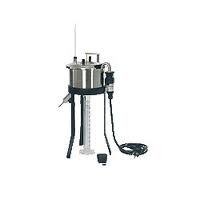
Tell us about your requirement

Price:
Quantity
Select Unit
- 50
- 100
- 200
- 250
- 500
- 1000+
Additional detail
Mobile number
Email

More Products in Oil & Petroleum Testing Instruments Category
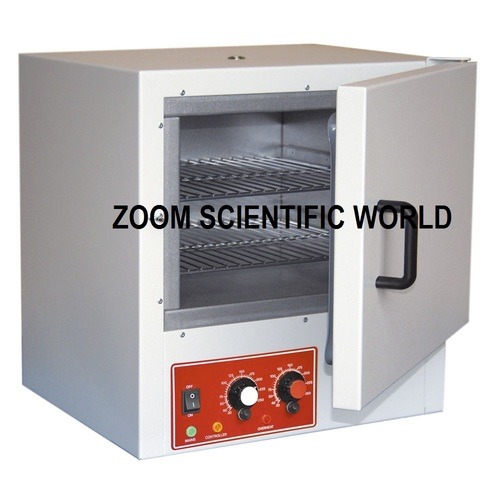
Ovens
Price 109 INR / Unit
Minimum Order Quantity : 1 , Unit
Color : White
Usage : Laboratory
Product Type : Ovens
Material : Stainless Steel
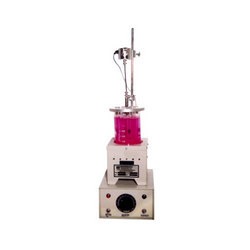
Drop Point Apparatus
Price 100 INR / Unit
Minimum Order Quantity : 1 Unit
Color : White And Pink
Usage : Industrial
Product Type : Apparatus

Aniline Point Apparatus
Price 10 INR / Piece
Minimum Order Quantity : 1 , Piece
Color : Transparent
Usage : labortory
Product Type : Apparatus
Material : Glass
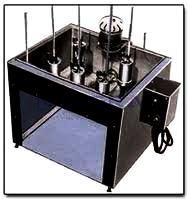
Multiple Redwood Viscometer Apparatus
Price 143 INR / Unit
Minimum Order Quantity : 1 Unit
Color : Purpal And Black
Usage : Laboratory
Product Type : Viscometer Apparatus
Material : Stainless Steel

ZOOM SCIENTIFIC WORLD
GST : 06ALAPA6623N1Z8
GST : 06ALAPA6623N1Z8
Contact Details

- 4537/1 A, Bldg. 13, Deepak Market, Ist Ambala - 133001, Haryana, India
- Phone : 08045478393
- Export Import Code (IEC code) - 3312001811
SSI No. - 060021100476

- Mr Sahil Aggarwal (GENERAL MANAGER)
- Mobile : 08045478393

|



ZOOM SCIENTIFIC WORLD
All Rights Reserved.(Terms of Use)
Developed and Managed by Infocom Network Private Limited.
Developed and Managed by Infocom Network Private Limited.
