




 Send Inquiry
Test Tubes
Price 14 INR/ Piece
Test Tubes Specification
- Usage
- Chemical Laboratory
- Product Type
- Test Tubes
- Color
- Transparent
- Material
- Glass
- Autoclavable
- Yes
- Thickness
- Standard laboratory thickness (approx. 1 mm)
- Reusable/Disposable
- Both available
- Graduations
- Available in some models
Test Tubes Trade Information
- Minimum Order Quantity
- 1 Piece
- Payment Terms
- Cash Advance (CA), Cash in Advance (CID)
- Supply Ability
- 1000 Pieces Per Week
- Delivery Time
- 1 Week
- Sample Available
- Yes
- Sample Policy
- Sample costs shipping and taxes has to be paid by the buyer
- Main Export Market(s)
- North America, Eastern Europe, Western Europe, Middle East, Central America, South America, Asia, Australia, Africa
- Main Domestic Market
- All India
Test Tubes About
Test Tubes:- plain with interchangeable stopper
Catalogue No. Length x Dia. mm. Approx Cap ml. Stopper Size
769/01 100 x 12 5 B 10
769/02 125 x 15 10 B 12
769/03 150 x 18 20 B 14
769/04 150 x 22 30 B 19
769/05 150 x 25 45 B 19
769/06 200 x 25 50 B 19
769/07 200 x 32 100 B 24
769/08 200 x 38 124 B 24
Test Tubes:- graduated with interchangeable stopper
Catalogue No. Size mm. Capacity ml. Stopper Size
770/01 100 x 12 5 B 10
770/02 125 x 15 10 B 12
770/03 150 x 18 20 B 14
770/04 150 x 22 25 B 19
770/05 200 x 25 50 B 19
770/06 200 x 32 100 B 24
Test Tubes:- round or flat bottom with rim or without rim,plain,with one mark
Catalogue No. Approx Capacity ml. O.D x Length mm.
771/01 3 10 x 75
771/02 5 12 x 75
771/03 8 12 x 100
771/04 10 15 x 125
771/05 12 15 x 150
771/06 25 18 x 150
771/07 50 25 x 150
771/08 75 25 x 200
Test Tubes:- round or flat bottom with rim or without rim graduated
Catalogue No. Approx Capacity ml. O.D x Length mm.
775/01 3 10 x 75
775/02 5 12 x 75
775/03 8 12 x 100
775/04 10 15 x 125
775/05 12 15 x 150
775/06 25 18 x 150
775/07 50 25 x 150
775/08 75 25 x 200
Test Tubes:- round or flat bottom with rim or without rim
Catalogue No. Approx Capacity ml. O.D x Length mm.
780/01 3 10 x 75
780/02 5 12 x 75
780/03 8 12 x 100
780/04 10 15 x 125
780/05 12 15 x 150
780/06 25 18 x 150
780/07 50 25 x 150
780/08 75 25 x 200
780/09 32 x 200
780/10 38 x 200
Durable and Chemically Resistant
Constructed from premium transparent glass, these test tubes maintain structural integrity even with frequent handling and heating. Their chemical inertness makes them suitable for a broad spectrum of laboratory applications, minimizing risk of contamination during experiments.
Autoclavable for Safe Reuse
These test tubes can withstand high temperatures in sterilization processes, such as autoclaving. This allows for repeated, safe use in laboratories, supporting both cost efficiency and protection against microbial contamination in crucial experimental work.
FAQs of Test Tubes:
Q: How can these glass test tubes be sterilized between uses?
A: These test tubes are autoclavable, meaning they can be safely placed in an autoclave for high-temperature steam sterilization. This process ensures complete elimination of microbes, making the test tubes ready for safe reuse in laboratory settings.Q: What is the typical thickness of these test tubes and why is this important?
A: The standard thickness of our glass test tubes is approximately 1 mm. This thickness strikes a balance between durability and ease of handling, providing resistance to minor impacts while allowing for efficient heat transfer during experiments.Q: When should I use glass test tubes in a laboratory?
A: Glass test tubes are recommended whenever you need to conduct chemical reactions, heat samples, or store and observe liquids in a lab environment. Their transparency allows for precise observation, and their resistance to most chemicals ensures reliable results.Q: Where are these test tubes most commonly used?
A: These test tubes are widely used in chemical laboratories, educational institutions, research facilities, and industrial quality control labs. They offer flexibility for a variety of testing and analytical applications requiring rigorous standards.Q: What are the primary benefits of using glass test tubes in lab experiments?
A: Glass test tubes provide excellent clarity for observation, reliable chemical resistance, and can be sterilized and reused repeatedly. These qualities make them indispensable for safe, accurate, and cost-effective laboratory processes.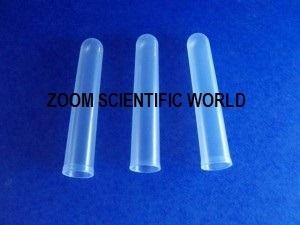

Price:
- 50
- 100
- 200
- 250
- 500
- 1000+

More Products in Lab Glassware Category
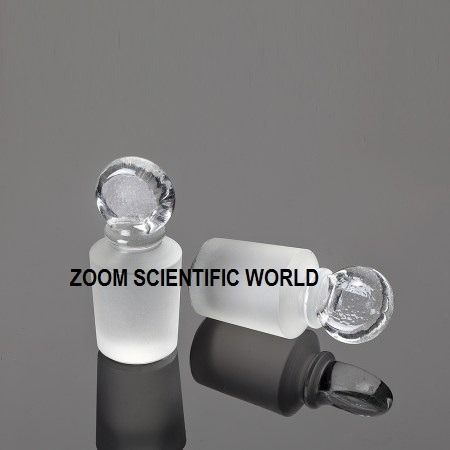
Stoppers For B.O.D Bottle
Price 10 INR / Piece
Minimum Order Quantity : 1 Piece
Product Type : Stoppers
Usage : Laboratory
Material : Glass
Color : Transparent
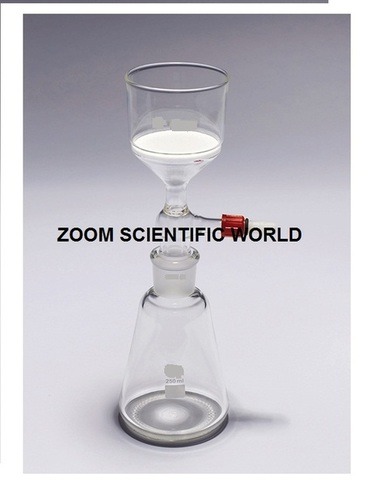
Filter Apparatus
Price 11 INR / Piece
Minimum Order Quantity : 1 Piece
Product Type : Apparatus
Usage : Chemical Laboratory
Material : Glass
Color : Transparent
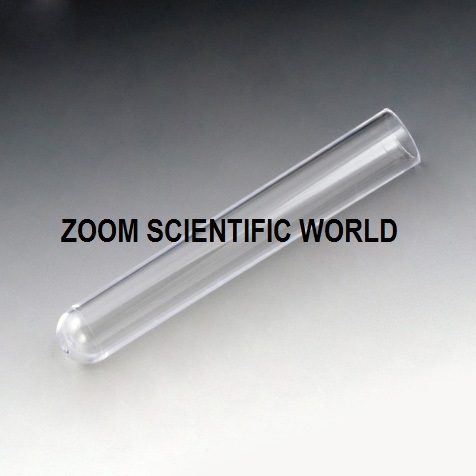
Tube For Khan And Wasserman Test Tube
Price 12 INR / Piece
Minimum Order Quantity : 1 Piece
Product Type : Test Tube
Usage : Chemical Laboratory
Material : Glass
Color : Transparent

Centrifuge Tube Round Bottom Graduated
Price 19 INR / Piece
Minimum Order Quantity : 1 Piece
Product Type : Centrifuge Tube
Usage : Chemical Laboratory
Material : Glass
Color : Transparent

GST : 06ALAPA6623N1Z8

- 4537/1 A, Bldg. 13, Deepak Market, Ist Ambala - 133001, Haryana, India
- Phone : 08045478393
- Export Import Code (IEC code) - 3312001811
SSI No. - 060021100476

- Mr Sahil Aggarwal (GENERAL MANAGER)
- Mobile : 08045478393

|



Developed and Managed by Infocom Network Private Limited.
